
By John Prince
Thousands of pieces of the world‑famous Hornsea Pottery are being carefully stored in boxes waiting for their turn to be shown to visitors to the town’s museum.
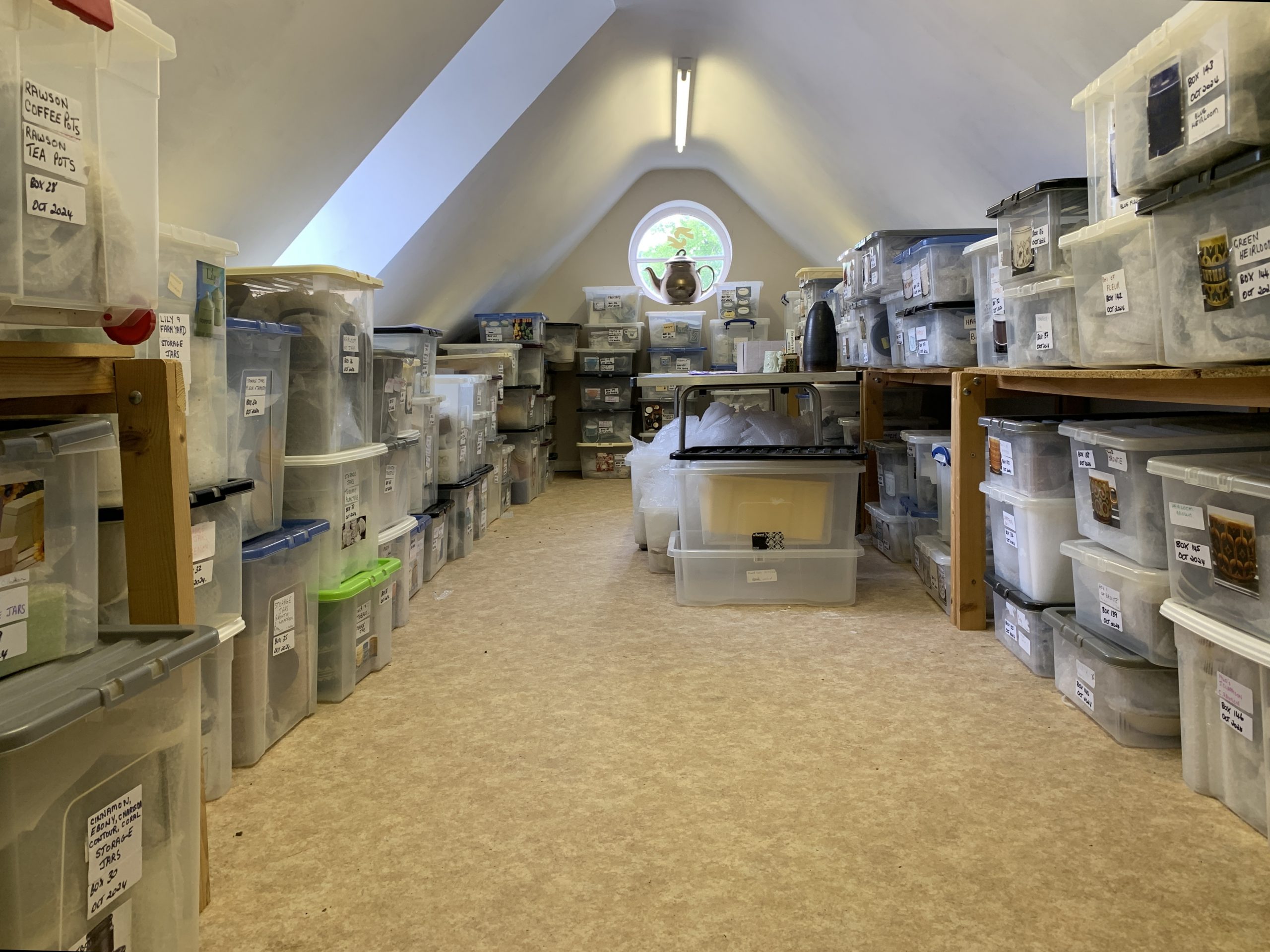
The collection contains around 4,000 items in the loft at Hornsea Museum, or to give it its official title, the North Holderness Museum of Village Life.
It is not just any old loft, though, as it is the main storage area for the “back‑up” pottery collection to accompany the 2,500 items already on display in glass cabinets on the ground floor.
Those items make up the biggest public display of Hornsea Pottery in the world.
The Gazette was able to get access to the archives at the museum to see not just the pottery, but also the work that goes on by the team of trustees and archivists who preserve the town’s rich heritage.
It was as the museum also released its 2026 events programme including a 1940s day, jazz night, a steampunk event, a living history day and the annual Christmas celebrations in December.
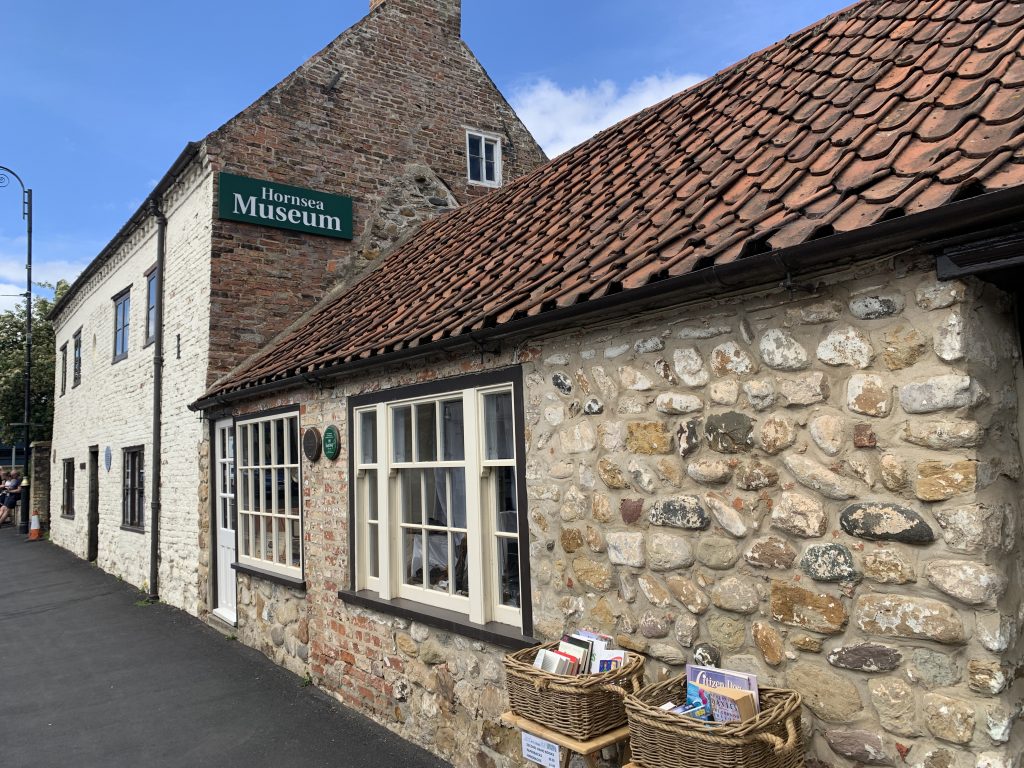
For nearly three centuries the building in Newbegin was a farmhouse tenanted by the Burn family. It was originally a single‑storey cobble building dating back to the late 16th century. A second storey, hand‑made in brick, was added at the end of the 1700s.
The museum is much more than just the pottery, and bigger than you think. There are six buildings in total with 19 display areas.
The old farmhouse has a country kitchen with an inglenook fireplace, a parlour, bedroom, dairy and washhouse, all with Victorian furnishings. Three additional rooms in the farmhouse are used for exhibitions, which are periodically changed.
Nial Adams is a trustee with the responsibility for Collections and Museums. He said: “Visitors almost always say the same thing. They say the place is like a Tardis. It just keeps on going.
“It’s room after room after room absolutely stuffed full with the most incredible historic domestic and agricultural artefacts. So each room is not only set out as a kitchen, a bedroom, or a bathroom but there’s lots of object displays associated with them.
“The Burn family lived here for 300 years, and we’ve displayed the rooms as they would have been. It’s quite an old‑fashioned way of doing things, because these days everything has to be labelled, and there has to be an educational purpose. But people absolutely love walking around the museum looking at old objects unmediated, with no gap between them and what they’re seeing.
“They’re getting a real whiff of the past.”
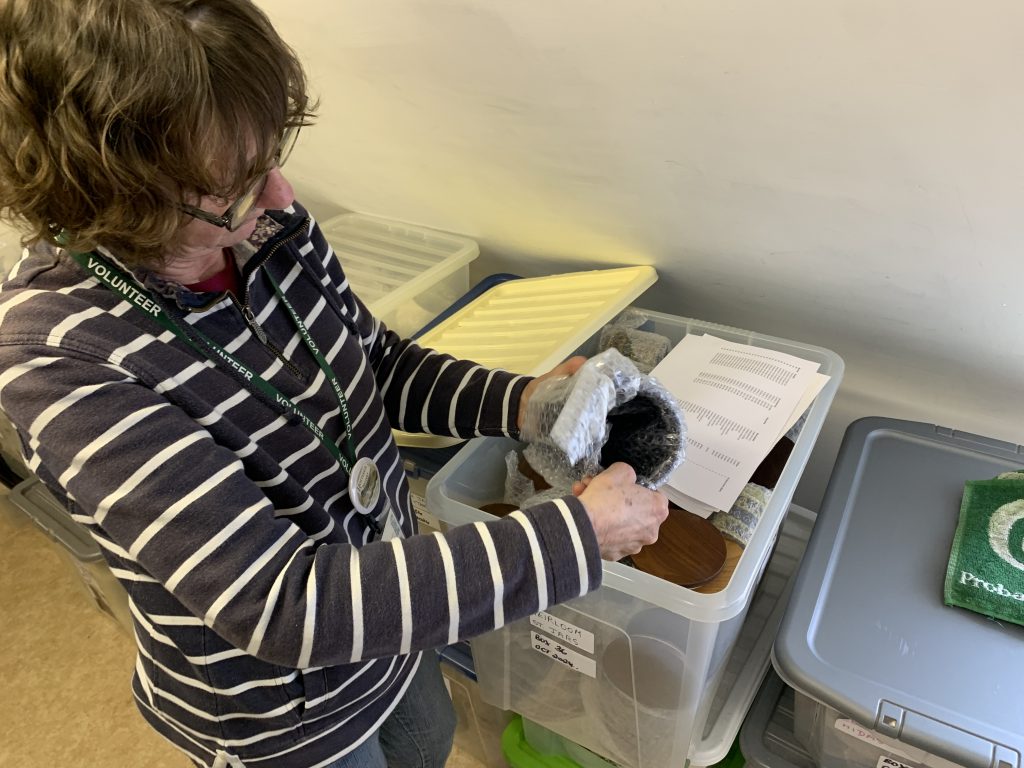
Denise McGranaghan is a member of the pottery team who takes care of the sea of items all around the museum.
She said: “We have well over 4,000 pieces that tend not to be put on display. They’re the spares, if you like. We do window displays from time to time, so some of them will go on show. Some from the later period of Hornsea pottery aren’t the most attractive shall we say.
“The vintage ones, which are the core of the collection, are the John Clappison designs from round about the 1960s and 70s. That’s what most people will remember and the Heirloom, Bronte, and Saffron. The 60s and 70s were the height.
“When the Rawson brothers who founded Hornsea Pottery retired, various companies took over and you can see there’s a marked difference. You get the pastel colours of the 1980s coming in. In the 1990s it goes quite geometric and a little bit – dare I say – Denby in places.
“It was the different periods in time and fashion. There are the contract items like Marks and Spencer’s, House of Fraser, Harrods, Laura Ashley and Next. Then of course the commemorative mugs. There’s a mug for everything. You can see the John Clappison design mugs, which are worth quite a bit of money now. You’ll pay up to £60 per mug.
“Some pieces are very rare, and very difficult to find. I don’t think people realise quite what we have here.”
The museum is open every day from Easter to the end of October. It is a self‑funded charitable organisation run predominantly by a team of volunteers.
Go to www.hornseamuseum.co.uk for more details.