


by John Prince
Social care is once again at the centre of the political debate – and for families across the East Riding, the outcome could have a very real impact on how much a loved one may be expected to pay towards their own care, and how much of their savings and assets could ultimately be at stake.
Prime Minister Andy Burnham has now set out the clearest version yet of his plans for a National Care Service, using his Labour Party conference speech in Liverpool last month to promise a system operating on NHS principles and introduced in the next Parliament.
Mr Burnham said he wanted a person-centred service that starts in the home, with “everyone contributes and everyone is covered”. He said it would be free at the point of use, with no care charges paid out of the basic state pension, and would be designed to protect people’s homes and savings.
However, important details remain unresolved.
Labour’s own summary of Tuesday’s announcement describes the proposal as providing free personal care for older people, while Baroness Louise Casey’s independent review will advise the Government on exactly how the National Care Service should operate.
That means it cannot yet be assumed that every element of somebody’s residential care bill would be covered. Mr Burnham did not set out whether accommodation and general living costs in care homes would remain chargeable.
The Government will begin preparing for the service now, but Mr Burnham said it would be introduced in the next Parliament after Baroness Casey’s review, which has been brought forward to report next summer.
He said it would be fully funded rather than paid for through borrowing and linked part of its funding to a significant change in the way the state pension is increased.
The existing triple lock guarantees that the state pension rises annually by whichever is highest out of inflation, average earnings growth or 2.5 per cent.
Mr Burnham said that system would remain unchanged throughout the current Parliament.
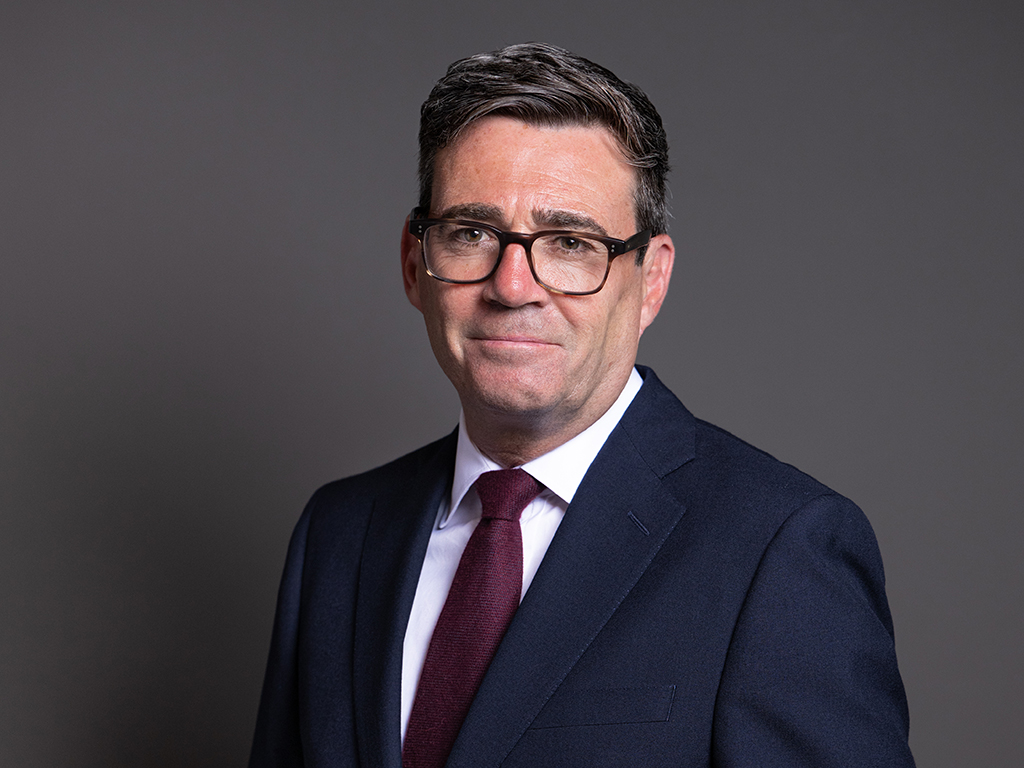
(Photo: House of Commons)
From April 2030, however, it would be reformed. The pension would continue to rise every year by at least inflation or 2.5 per cent, while its value would also be maintained relative to earnings over the longer term. Savings resulting from the change would be put towards the National Care Service.
The Institute for Fiscal Studies said the proposal was therefore a reformed triple lock rather than simply a conventional double lock. It said savings to the Treasury were likely to be relatively small initially but become more significant over time.
Mr Burnham also stressed that older people living only on the state pension, or slightly more, can currently have care charges taken from that income and said this would end under his plans.
He linked reform directly to pressures on the NHS, saying inadequate social care was contributing to ambulance call-outs, A&E admissions and people remaining unnecessarily in hospital.
The issue was also a personal theme of his conference speech. Mr Burnham recalled how his grandmother’s modest lifetime savings had gone towards the cost of her care and paid tribute to those who cared for his father Roy, who had Alzheimer’s and died earlier this month.
He also apologised to care workers for the failure of politicians to properly recognise their work and argued that the present system could not be allowed to continue.
For residents in places such as Hornsea, however, this is not simply a national argument about policy and billions of pounds.
It is about what happens when a person becomes too old, frail or unwell to live independently and whether the savings and assets they have spent a lifetime building can then be swallowed up by the cost of care.
For now, the rules have not changed.
Among those questioning the fairness of the current system is 91-year-old Terry Nicholson, who lives in a care home in Hornsea. He said he had worked and saved throughout his life but was now paying around £1,500 a week for residential care.
Mr Nicholson said he had grown up at a time when money was tight and families simply made do with what they had.
“In those days, I don’t think people realise how poor we were,” he said. “We had no central heating. But we got on with it.”
He said that experience had shaped an instinct to work, save and put money aside for the future, but he now questioned whether people who had done that were being penalised when they later needed care.
“All I wanted to point out was: why bother to save when you’re treated in the way I’ve been treated?” he said.
Mr Nicholson also spoke of difficult experiences of the wider health and care system, recalling one occasion when he said he had spent 24 hours on a hospital trolley waiting to be seen and another when he remained on a trolley in a corridor for several hours.
His concern remained focused on the wider question facing many older people who have spent decades building up savings only to find themselves having to draw heavily on them when they need support in later life.
Mr Nicholson said he wanted politicians to address what he sees as the fundamental unfairness at the heart of the system.
He said his experience of the healthcare and social care systems had been distressing and that he wanted to speak out about what he described as the “indignities” pensioners could face.
“It’s the system that’s wrong,” he said. “Somebody’s got to talk.”
For people in residential care in the East Riding, those with £23,250 or more in savings and other assessable assets will generally be expected to pay the full cost of their care.
Those with between £14,250 and £23,249 pay what they can afford from their income, together with a means-tested contribution from their capital, while people below the lower threshold may still contribute from their income.
The council said decisions were based on both an assessment of a person’s care needs and a separate financial assessment of their income, savings and other assets.
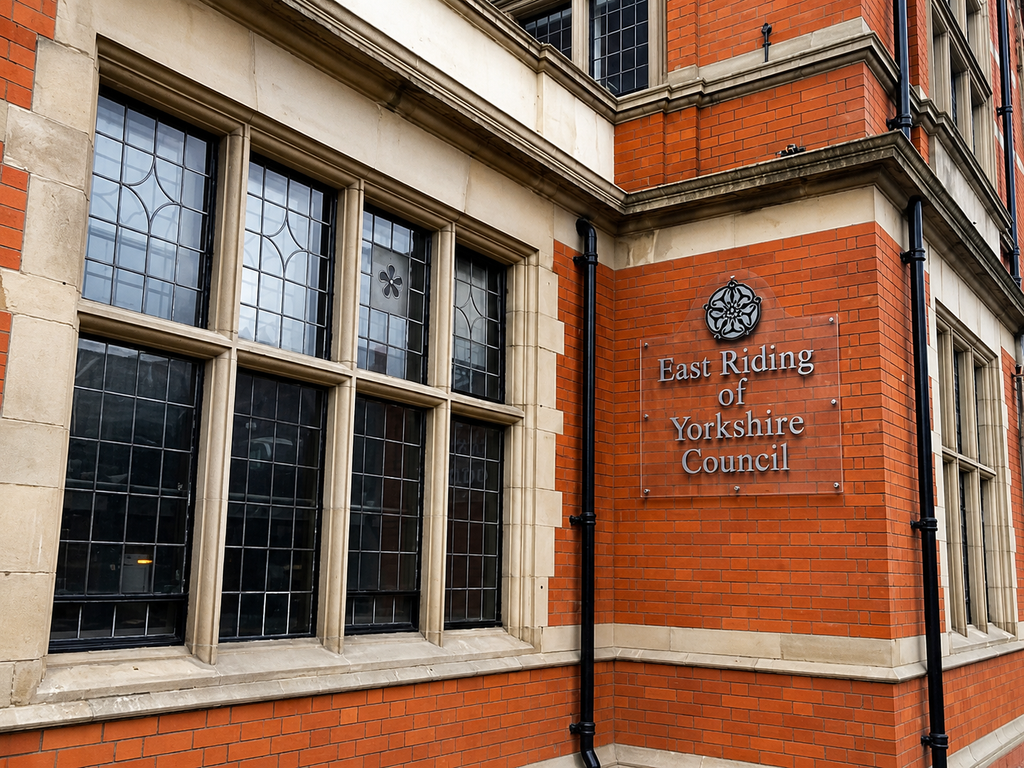
An East Riding Council spokeswoman added: “It is important to note that having savings below the threshold does not automatically mean care will be fully funded by the council. Most people contribute something towards their care costs, unless specific exemptions apply.
“Because every person’s care needs, financial circumstances and legal entitlements are different, it is common for residents within the same care home to make different levels of contribution towards their care costs.”
Analysis published by the King’s Fund found that the £23,250 upper threshold has been frozen since 2010-11 and would now stand at more than £35,600 had it kept pace with inflation.
It estimates that the freeze can mean some people spending an additional £12,400 of their own money before becoming eligible for financial support towards their care.
Successive governments have promised reform without resolving the problem.
Boris Johnson pledged in 2019 to “fix the crisis in social care once and for all”, with his government later announcing an £86,000 lifetime cap on eligible personal care costs and higher asset thresholds. The reforms were subsequently delayed and were eventually dropped after Labour came to power in 2024.
Mr Burnham has now gone considerably further in defining the system he wants to replace them with.
He told Labour delegates that preparations for a National Care Service would begin now and said it would be introduced in the next Parliament, with Baroness Casey advising on precisely how it should operate.
But that distinction is important for people such as Mr Nicholson.
Mr Burnham has promised free care at the point of use and protection for people’s homes and savings, but the detailed boundaries of that promise have yet to be drawn.
Until Baroness Casey reports, it is not clear how much of a residential care bill such as Mr Nicholson’s £1,500 a week would ultimately fall within the new system and what, if anything, residents might still be expected to pay themselves.
For now, people in the East Riding continue to be assessed under the existing means-tested system.
Further information about paying for care and financial assessments is available at eastriding.gov.uk/adult-social-care/arranging-adult-care/care-and-support/paying-for-your-care