

by Gazette Reporter
People living with mental health conditions must have a greater say in the services they rely on, as a worldwide campaign warns that listening to their experiences is not enough unless it leads to meaningful change.
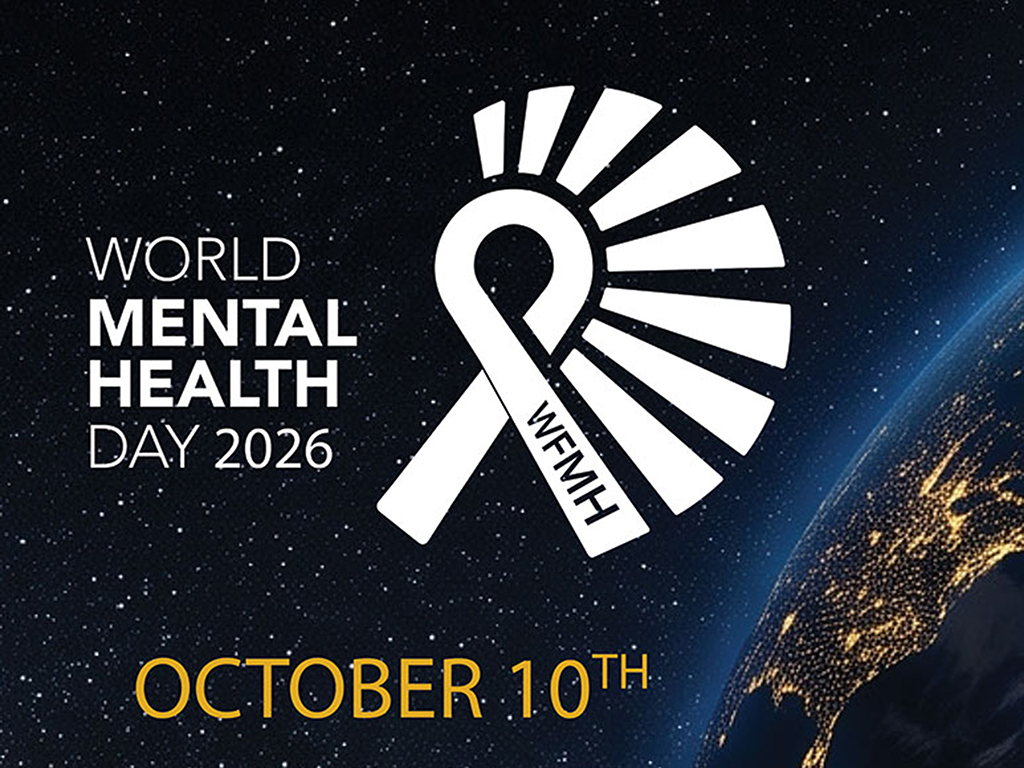
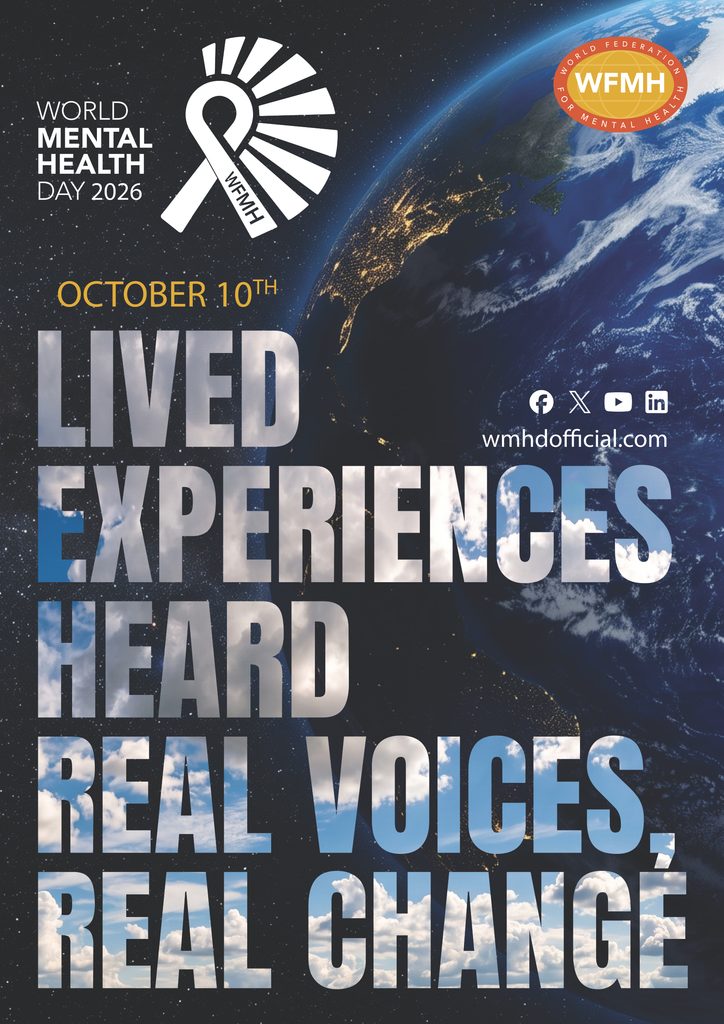
The World Federation for Mental Health (WFMH), which established World Mental Health Day in 1992, is using this year’s event on Saturday, October 10, to challenge governments and healthcare providers to put people’s experiences at the heart of decision-making.
Under the theme Lived Experiences Heard: Real Voices, Real Change, the federation says people affected by mental illness continue to face stigma, discrimination and difficulties accessing appropriate care – while decisions about the services they need are often made without their involvement.
The campaign, supported by the World Health Organization (WHO), also calls for improvements in community mental health services and greater recognition of the wider social and economic pressures that can affect people’s wellbeing.
In a joint statement, WFMH president Sabine Bährer-Kohler, president-elect Silvia Raggi and secretary-general Tsuyoshi Akiyama said meaningful progress could be achieved only by working closely with people who had experienced mental health difficulties themselves.
They said: “For too long, people living with mental health conditions have faced stigma, discrimination, social exclusion, and barriers to receiving appropriate care.”
The federation argues that people with personal experience of depression, anxiety and other mental health conditions have valuable knowledge that cannot be gained through professional training or research alone.
Their experiences can help identify gaps in services, barriers to accessing care and improvements that could make a genuine difference to people’s lives.
The campaign comes against a backdrop of continuing concern about mental health services worldwide.
According to WHO figures published in 2025, more than one billion people are living with a mental health condition, with many unable to access adequate care.
Mental health conditions are among the leading causes of disability globally, affecting people of all ages, backgrounds and income levels.
The WHO says that although people with mental health conditions are increasingly encouraged to speak openly about their experiences, they are still too often excluded from decisions about treatment, policies and funding.
It is calling for a shift towards more accessible, community-based mental health services, allowing people to receive treatment and support while remaining connected to their families, friends and everyday lives.
The organisation has also highlighted concerns about the continued reliance on long-term psychiatric institutions in many countries, where patients can face isolation, poor-quality care and restrictions on their rights.
New WHO guidance launched in connection with World Mental Health Day sets out how countries can move towards community-based care, with appropriate healthcare, housing and social support to help people live independently wherever possible.
Mental health problems can affect anyone, with bereavement, loneliness, financial pressures, unemployment, relationship breakdowns and other life circumstances all potentially having an impact on emotional wellbeing.
The WFMH is encouraging organisations around the world to support this approach while also challenging the stigma that can prevent people from seeking help or speaking about their difficulties.
The federation has also highlighted the importance of the wider conditions in which people live, including poverty, inequality and social exclusion, and how these can influence mental health.
For people in rural communities, access to support can present additional challenges, particularly where specialist services are some distance away or public transport is limited.
This makes the availability of local services, early intervention and community support particularly important.
Children and young people are also a major focus of this year’s campaign.
In a separate joint statement, UNESCO, UNICEF, the United Nations Youth Office and WHO say too many children and young people continue to experience mental health difficulties without access to the support they need.
The organisations argue that young people, including those who have struggled with mental health conditions or faced difficulties obtaining care, should have a meaningful role in shaping the services available to them.
They are urging greater investment in support within schools, families and communities, alongside closer cooperation between education, healthcare, child protection and social services.
They also stress that young people should never feel pressured to disclose personal experiences or diagnoses to have their opinions taken seriously.
However, the wider campaign applies equally to adults and older people, including those living with long-term conditions, people who have experienced psychiatric care and families supporting loved ones through mental health difficulties.
Both the WFMH and WHO stress that involving people with personal experience must go beyond inviting them to meetings or asking them to share their stories.
Instead, they should be treated as partners in planning, delivering and reviewing services, with clear evidence that their contributions have influenced decisions.
The WHO said: “On this World Mental Health Day, let us move from listening to action – and build mental health systems with PWLE, not merely for them.”
While public attitudes towards mental health have changed considerably in recent years, the campaign argues that removing stigma is only part of the challenge.
The next step is ensuring that people who need support can access it and that those who know first-hand what it means to struggle with their mental health are central to shaping a better system.
The WFMH hopes this year’s campaign will encourage governments, health professionals, organisations and communities to work together to ensure that real voices lead to real change.