



by Gazette Reporter
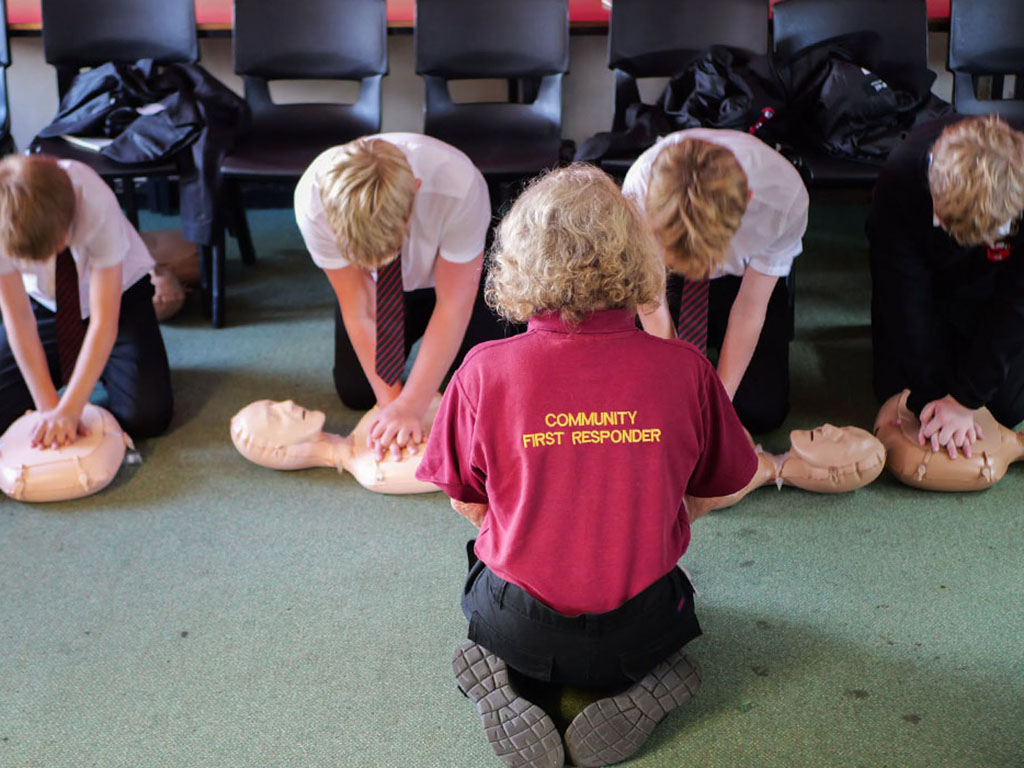
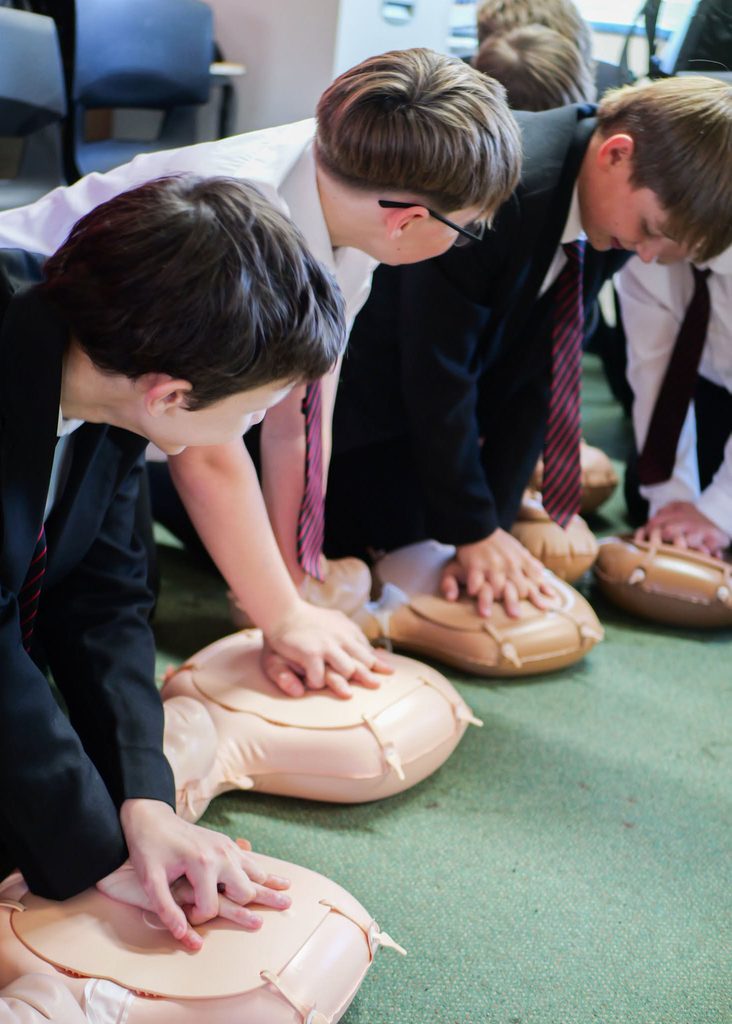
More than 200 students at Hornsea School and Language College learned how to save a life when Yorkshire Ambulance Service (YAS) volunteers visited as part of this year’s Restart a Heart Day.
Four YAS volunteers attended the school, teaching CPR and how to use a defibrillator to the students across 10 classes, alongside several teachers.
Students watched a video explaining what to do if someone collapses, how to perform CPR and how to use an automated external defibrillator (AED), before putting their new skills into practice.
Once they had mastered the technique, they were challenged to carry out chest compressions continuously for two minutes – discovering just how physically demanding it can be.
The training was designed to give students the confidence to act in an emergency, particularly as around 80 percent of out-of-hospital cardiac arrests happen in the home, meaning the person needing help could be a family member or someone they know.
The visit formed part of a nationwide campaign to improve survival rates from cardiac arrests and encourage people of all ages to learn lifesaving skills.
Over the past 12 years, YAS has taught CPR to more than 311,000 young people at secondary schools across Yorkshire through Restart a Heart Day activities.
Around 30,000 people experience an out-of-hospital cardiac arrest in the UK every year, but fewer than one in 10 survive.
In countries such as Norway, where CPR is taught in schools, survival rates are around 25 per cent. Campaigners estimate that achieving similar rates in the UK could save an additional 100 lives each week – around 5,000 every year.
The national Restart a Heart campaign is led by Resuscitation Council UK and supported by ambulance services, lifesaving charities, universities and first aid organisations.
East Riding Council has also been supporting the campaign throughout October, including staff training and public demonstrations.
Cllr Nick Coultish, the council’s cabinet member for culture, leisure and tourism, said: “When someone suffers a cardiac arrest, every second counts. Knowing how to perform CPR or use a defibrillator can make the difference between life and death while waiting for emergency services to arrive.”
(Photos: HSLC)