



EXCLUSIVE by John Prince
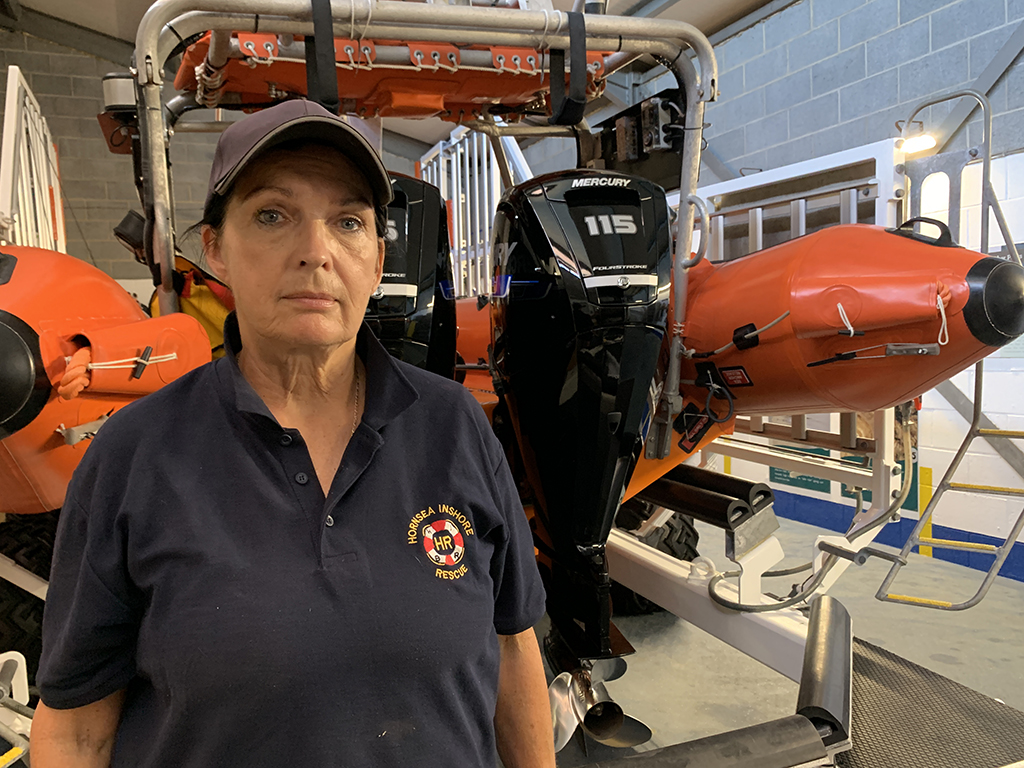
Hornsea Inshore Rescue’s CEO and station manager, Sue Hickson-Marsay MBE, has given a moving account of the emergency search and rescue operation that unfolded almost two weeks ago, as crews fought darkness, exhaustion and rising seas in the desperate attempt to find a missing 13-year-old boy.
The body of the teenager, who had gone into the water near Hornsea’s seafront, was found at about 4.30am on the morning of Wednesday, August 5, after an overnight search that started the evening before.
The tragedy has left the volunteer crew, and the wider emergency services, devastated but with added resolve to continue their work helping save lives along our coastline.
The call came without warning. Sue said: “We got a call from the coastguard saying, ‘Can you call the team out?’
“The team were out on the water within minutes and started the search for the young boy. Obviously at the time we didn’t know it was one person, we didn’t know whether there were others.”
Within moments the volunteer crew, trained to launch at speed, were heading into the water under the coordination of HM Coastguard at MRCC Bridlington.
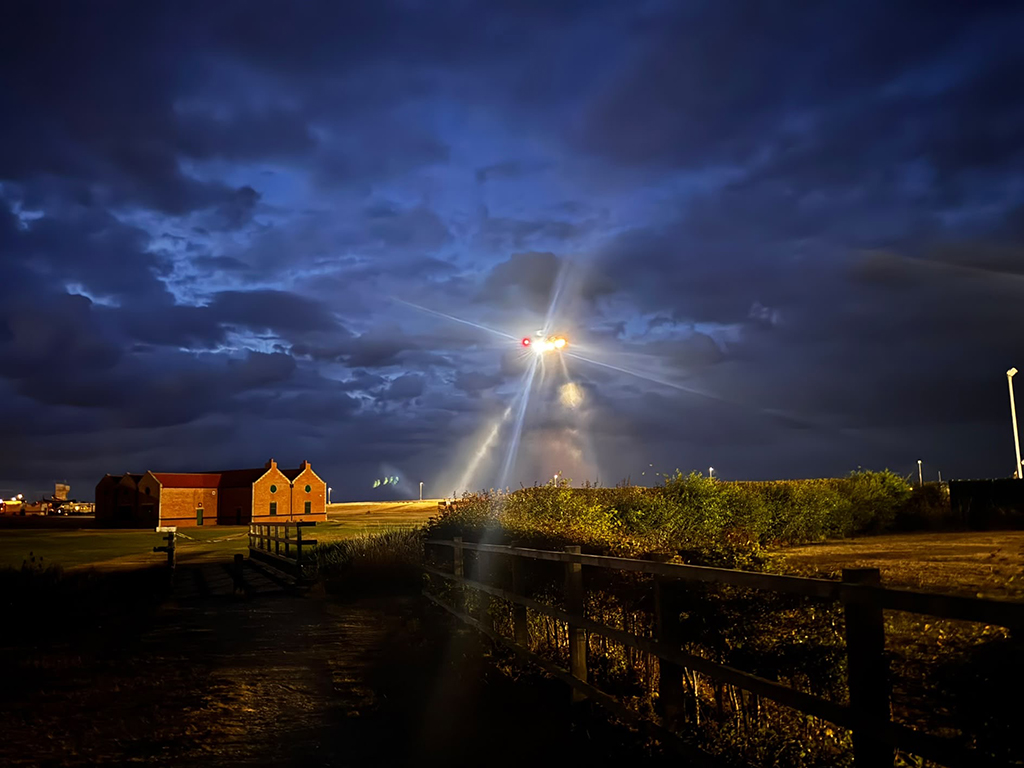
Search patterns were established across the shoreline and out to sea, while other emergency services joined the operation as the scale of the incident became clear.
Sue said the team worked relentlessly in what she described as choppy conditions. It’s understood the sea surface temperature at the time was around 17 degrees with a strong southerly wind.
“They were out searching, and then later on we did a crew change, and a welfare crew change, took some lighting and everything out. So they went again till early hours in the morning.
“When we see the conditions, we know what we’re dealing with. We’ve got a lot of equipment on the boat such as AIS, which is automatic identification system and heat-seeking equipment.
“We’ve got radar, plotting systems and a chart plotter. So there’s a lot of sophisticated equipment and we’ll utilise that when we’re doing searches. You get a general description of someone that you’re looking for.”
The search continued with crews fighting fatigue but refusing to give up.
“They were eventually stood down by the coastguard along with other search and rescue assets, and they were all prepared to go out again the next morning. I think it was between four thirty and five.
“The police had already found him.
“The previous crew was just about to launch, so obviously everyone was tired, but no one wanted to give up.”
This captures the resolve of the volunteers who prepare for the darkest moments, even as they hope never to meet them.
The boy was found near to Hornsea Hub. Sue said she could only share limited details, but the impact on the crew was profound.
“We want that person in the boat and back with the family to open arms, and that didn’t happen, so it makes everyone sad.
“And getting through to everybody and explaining that there’s nothing we could have done any better. That’s what you have to do, isn’t it?”
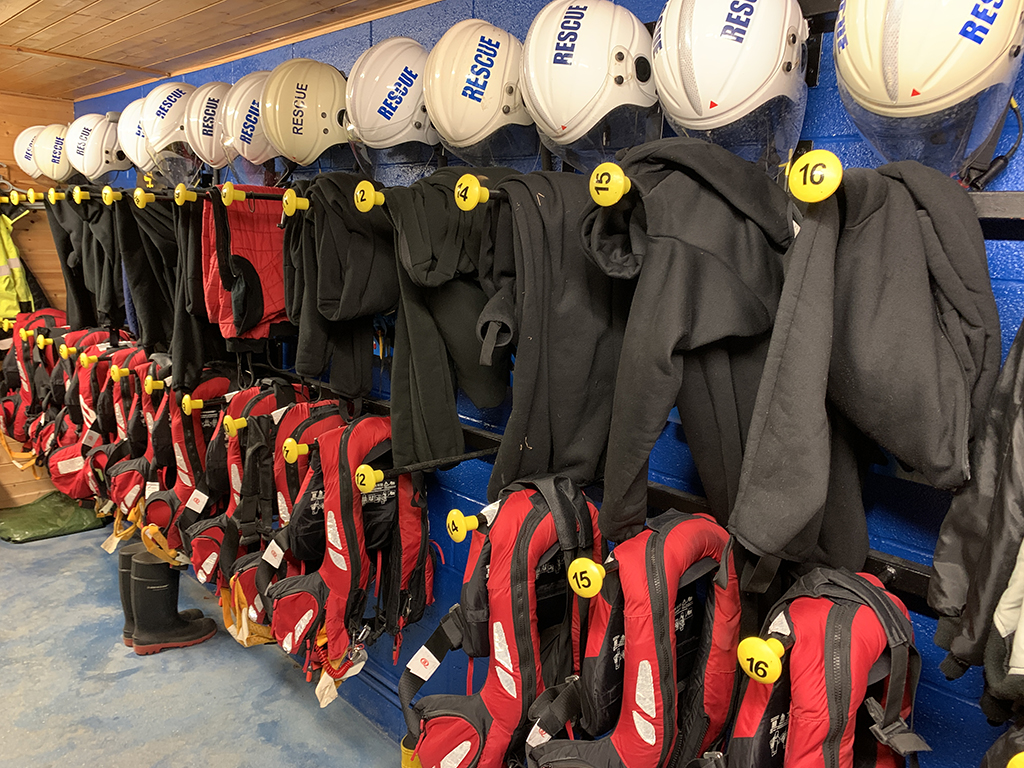
She spoke openly about the emotional strain on her team – a mix of seasoned responders and volunteers, some encountering tragedy for the first time.
“Some crew throughout their careers have dealt with things like that. We’ve got people in fire and rescue, ex police officers that have dealt with things like that.
“And then there’s others that have never dealt with things like that. We’re very close knit here. We’re like a big family, and we talk.
“We talk, and we have specialists on hand if required, and help is offered to everyone.”
When asked how deeply the incident affected her and her colleagues, Sue didn’t hesitate.
“It does. We have counsellors if needed, and I’ll ring each individual up and see how they are.
“Gone are the days when you just go out and deal with something and bottle it all up.”
She explained what the crew train hard for, and why the outcome was so hard to accept.
“You train to get in that water as quickly as possible, respond as quickly as possible, and ready to give whatever emergency treatment anybody needs as quickly as possible.
“We are the ones that will pull them out of the water, take them off the boat, and transfer them to the helicopter.
“They’re all very saddened that we couldn’t have saved the boy. It’s one of the things that affects us more than anything. You’re always full of what-ifs.
“As soon as we were asked to go, we were there on the water within minutes. We can’t do any more than that, because you always want to come back with a live casualty, and they haven’t. It’s tragic.”
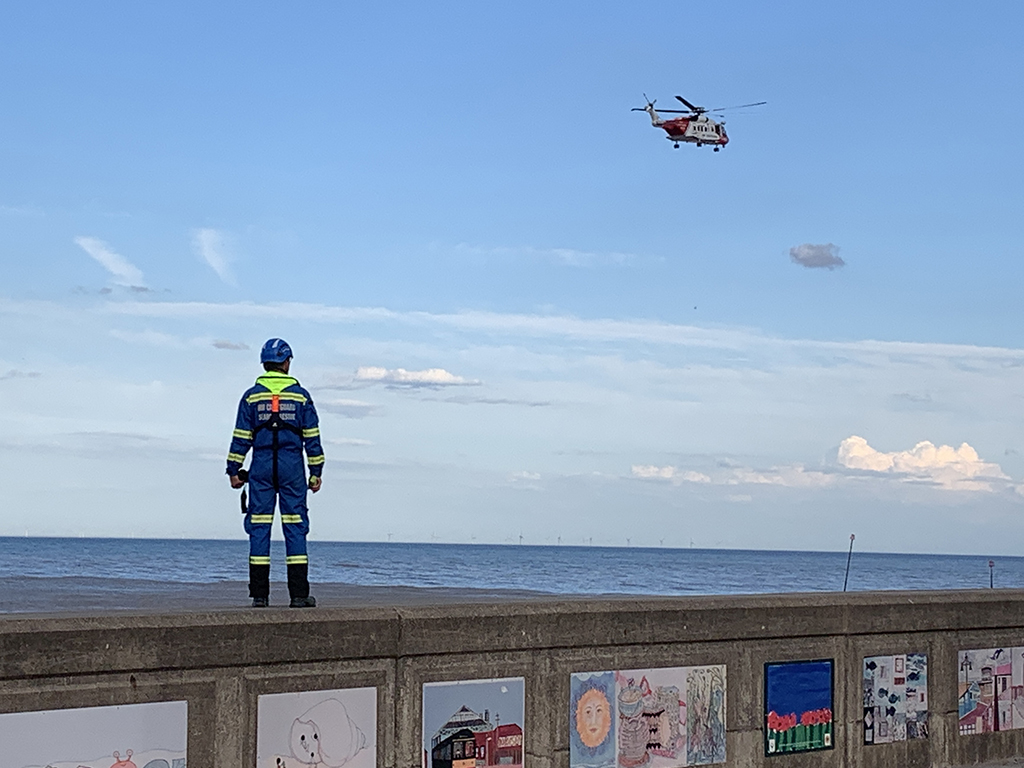
But on the night, despite every effort, the outcome was not the one they fought for.
“Everybody in the emergency services all worked together that night, everybody wanting the same outcome and they didn’t get it. So that’s hard.”
Sue acknowledged that while the public often sees the aftermath, crews live through the moment itself.
“We are frontline,” she said.
“And without the support we get from the local community and from further afield, we wouldn’t be able to do what we do.
“I always go back to saying what I said years ago when we first started: if we save one life, the lifeboat has paid for itself.
“We have had occasions where people that have lost their lives, but it’s still important you get them back to their loved ones.
“Youngsters will be youngsters, and if somebody wants to do something no one can actually stop them. You can only advise.
“We’ve done a lot this year. A lot of people don’t know, but we’ve had hundreds of schoolchildren here this summer.
“Myself and Carl Handley have put them through water safety training and we’ve gone into schools and supported them doing assemblies.
“We are in the process of producing leaflets to give out, and send to schools so they can go home to the parents.
“Everyone just wants to have fun by the seaside. They don’t want to be scared of it, but they need to know the dangers of it.
“This occasion the police found him, and he’s back with his loved ones so they can grieve. It’s a very sad outcome.
“We’ve seen comments and people say there should be patrols all along Hornsea. So what about Mappleton or Aldbrough or Skipsea? There’s not enough people to patrol the whole coast.
“So what we always recommend is that if you want to swim, unless you’re in a group and you know all the conditions, then swim where the lifeguards are, and only where the lifeguards are. They’re watching all the time.
“It’s lovely how everyone’s cared about us. That really means a lot. We’re not in it for awards. We’re not heroes. The crew all know. I don’t like the word hero.
“We’re here to do a job, and as long as we do it to the best of our ability, and train to the best of our ability, then we’re doing what we’re supposed to do.”
“They’re outstanding in my eyes – absolutely outstanding, devoted, and loyal. They work hard and will continue to do so.”
An inquest into the boy’s death opened by East Riding and Hull coroner’s service has been told that he drowned. It has been adjourned until a later date.
To donate and support the Hornsea Inshore Rescue charity go to hornsearescue.org.uk.