



by John Prince
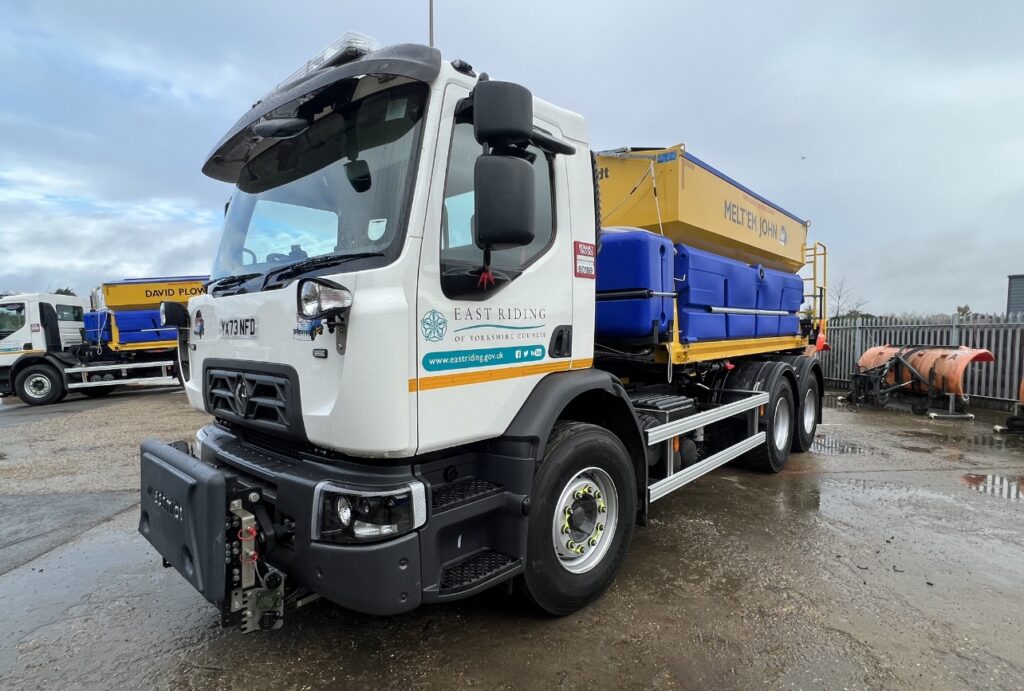
Gritter drivers across the East Riding have received specialist CPR and defibrillator training – with hopes that the life-saving devices could eventually be carried on winter maintenance vehicles.
Hornsea town councillor Kev Nicholson, who works as a gritter driver and trainer, told councillors at a meeting that around 60 people had attended a recent training day, as preparations for the winter season got under way.
Cllr Nicholson said gritter drivers were frequently among the first people to arrive at road accidents, particularly in the early hours when roads were quiet and emergency services might still be on their way.
He said: “For the first time, after a person from Hornsea has been pushing for it, we did defib and CPR training for all the drivers.”
He added that the training was particularly important because crews were “often first at the scene of an accident in the middle of the night”.
Drivers have also been completing familiarisation runs along their gritting routes, while new recruits have undergone training ahead of the winter season.
Cllr Nicholson said he hoped that funding could be secured to equip at least some gritting vehicles with portable defibrillators.
If that were to happen, the proposal would build on an existing East Riding Council initiative that has already seen the life-saving machines installed across its fleet of bin lorries.
The scheme was believed to be the first of its kind in the UK, with 72 bin lorries initially equipped with defibs, and plans to increase the number to more than 80 as food waste collections expanded.
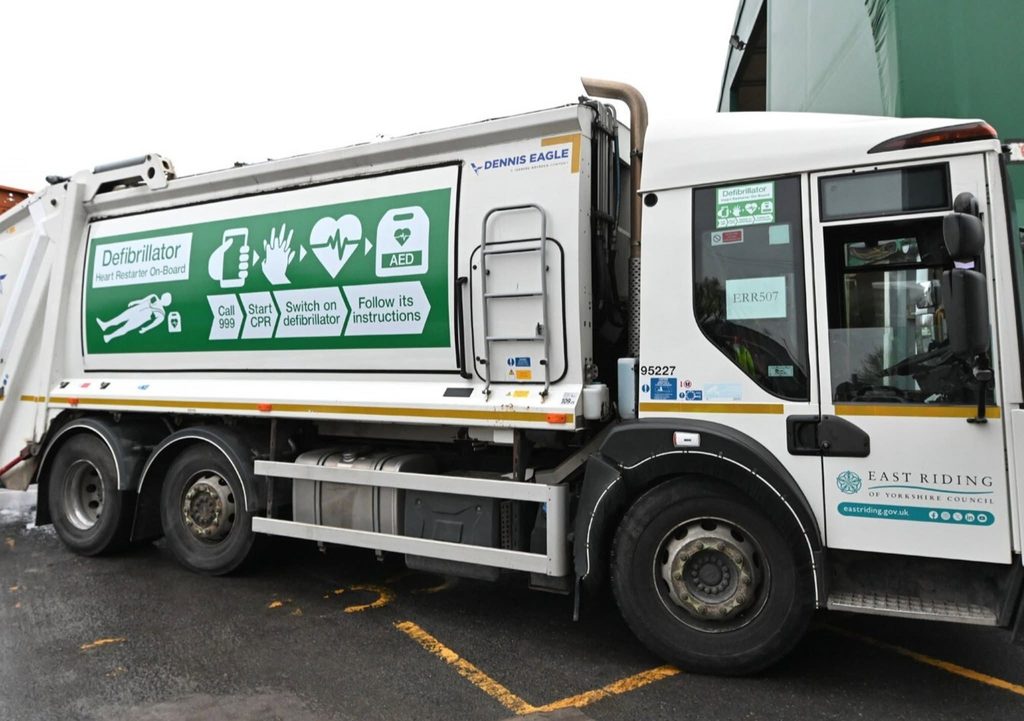
The £60,000 project was funded through a Government road safety grant, with Beverley-based Act Fast First Aid supplying the equipment and providing training.
The council also announced that it was in discussions with Yorkshire Ambulance Service about using vehicle tracking technology to identify the nearest available bin lorry in an emergency.
An East Riding Council spokesman said: “The council has no current plans to install defibrillators on its gritting vehicles.
“However, we recognise the important role defibrillators play in helping to save lives and
support measures that improve access to this life-saving equipment.
“Defibrillator training was delivered as routine as part of our annual training day for our winter team drivers and was well received.
“Earlier this year we fitted Automated External Defibrillators on all our bin collection vehicles in what is thought to be the first scheme of its kind in the UK.

“All our bin collection crews received CPR and defibrillator training, to ensure they have the skills and confidence to respond appropriately in an emergency situation, and it was very popular.
“Now we take every opportunity to train our staff on the use of defibrillators.
“Increasing awareness of these devices and ensuring staff are familiar with their use is a positive step that can only benefit local residents and visitors.”
North Holderness ward councillor Barbara Jefferson welcomed the training for gritter drivers and said the existing bin lorry scheme was particularly valuable because the vehicles travelled throughout towns and villages, potentially bringing a defibrillator much closer to someone suffering a cardiac arrest.
She acknowledged that carrying the equipment placed additional responsibility on crews but said it was an excellent initiative that could save lives.