


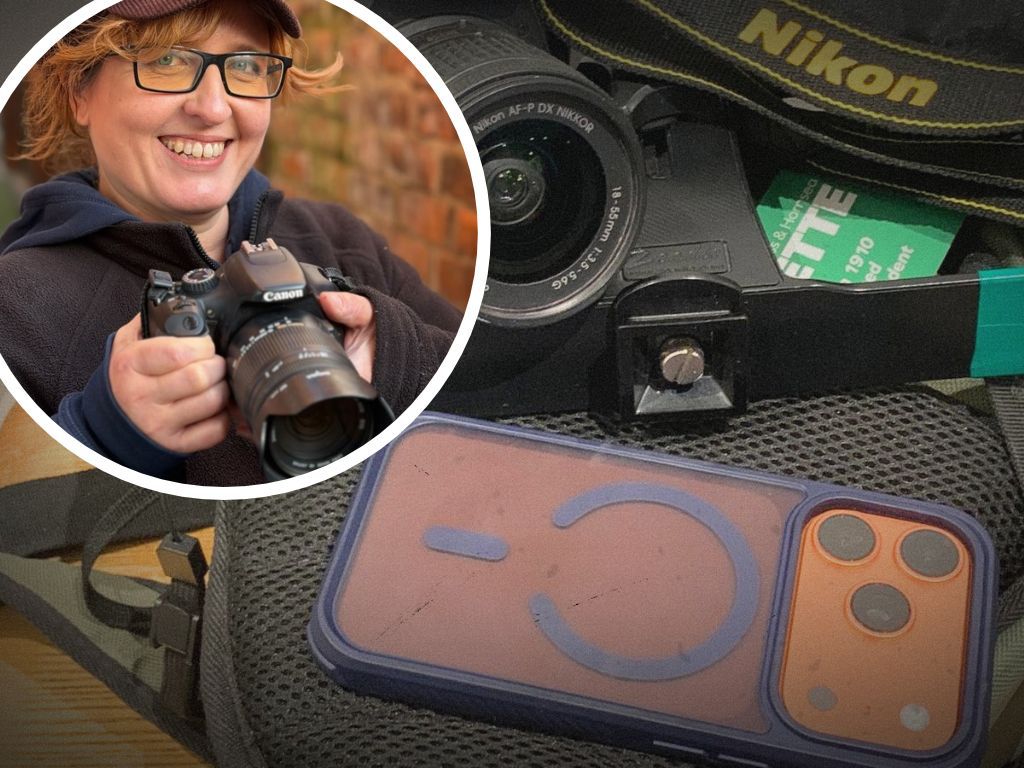
by Sam Hawcroft
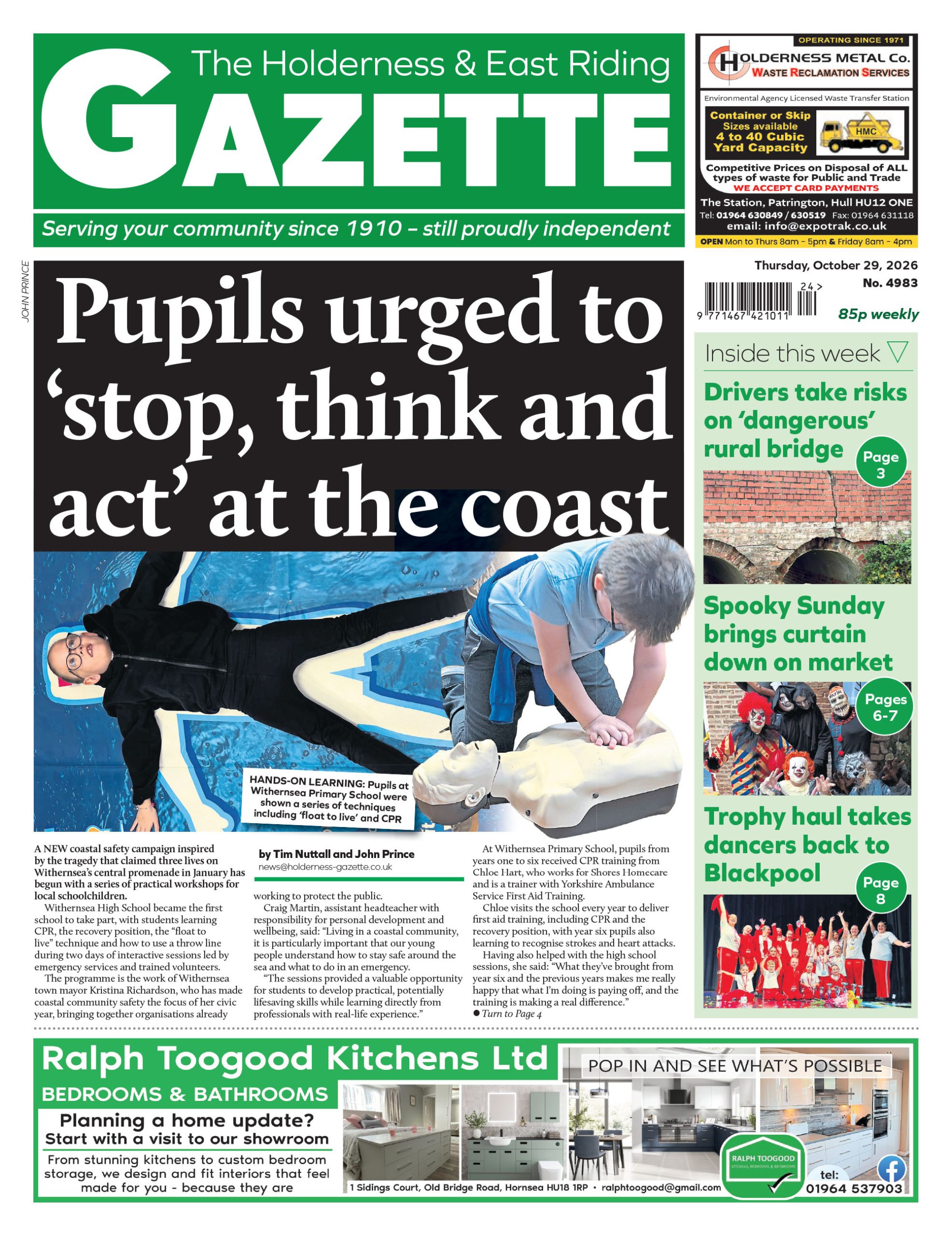
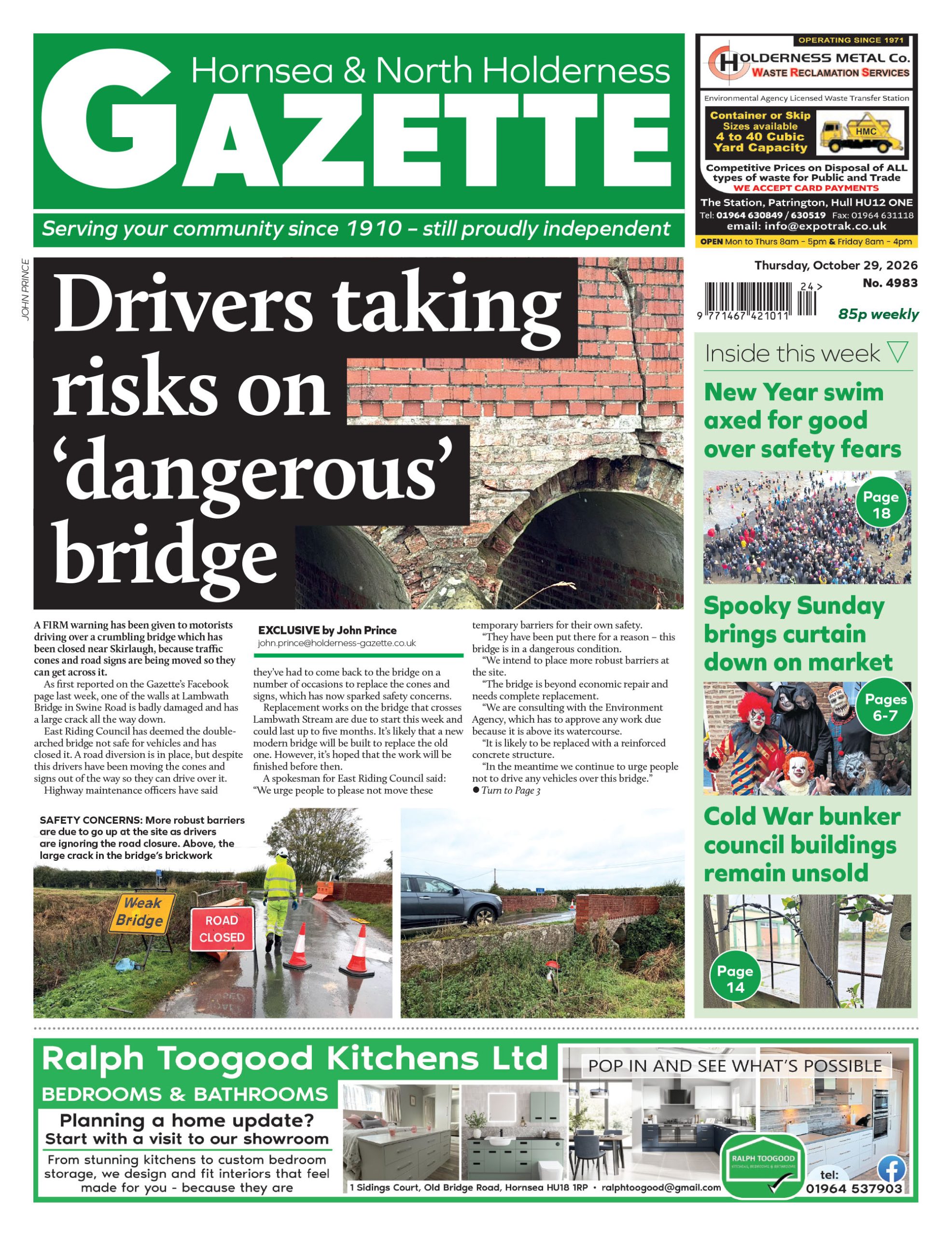
One of the frustrations of putting together a newspaper is knowing how many good photographs never make it on to the page.
We travel to events across Holderness and Hornsea, taking far more pictures than we can publish. Print deadlines, advertising and the space available all play a part in deciding what gets in.
Some lovely photographs end up sitting in our archive, possibly never to be seen again.
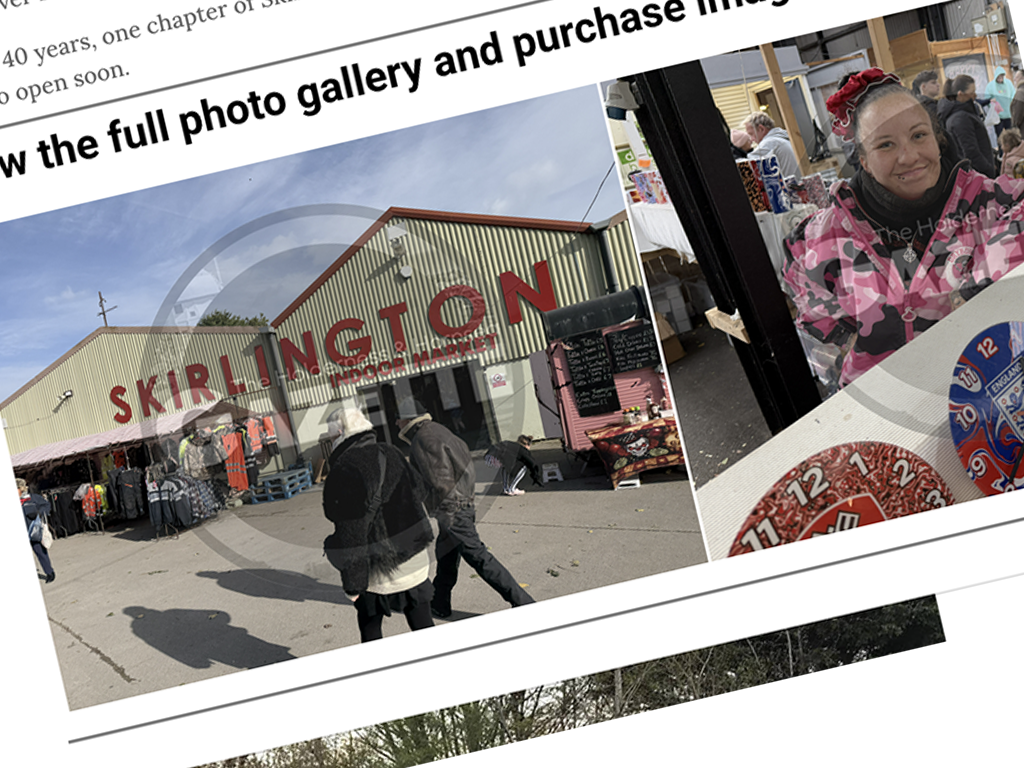
Readers often ask about pictures we have taken, because of course they remember (and hopefully enjoy!) the interaction even if they don’t make it into the print edition. So, to this end, we have been developing a photo sales section on the Gazette website (see belwo).
This is still in its infancy, alongside the wider overhaul we have been working on over recent weeks, and we hope you find it easier to use and more modern.
You can find the gallery page through the top menu, browse the photos and order prints or digital downloads. Please bear with us as we add more, and do tell us about any teething troubles.
Personal digital downloads cost £5, with prints priced at £5, £8 and £10. We want people to enjoy these photographs and keep them, at a price we believe fairly reflects the work involved.
There are separate licences for commercial use, including use of our images on advertising and products. To put it simply, if our work is helping someone else make money, we should receive a fair payment for that use.
Behind every photograph is someone who went out, found the moment and knew how to capture it. Between me, John Prince, Terry Bearpark and the other photographers who work with us, there are many (too many!) years of experience, and I am enormously proud of the pictures we produce.
The equipment, travel, editing and time all cost money, and it is, in the main, enormous fun – but fun doesn’t make those costs disappear. There is also the less visible, but still time-consuming, work of going through hundreds of files, choosing the best ones and getting them edited and ready for publication.
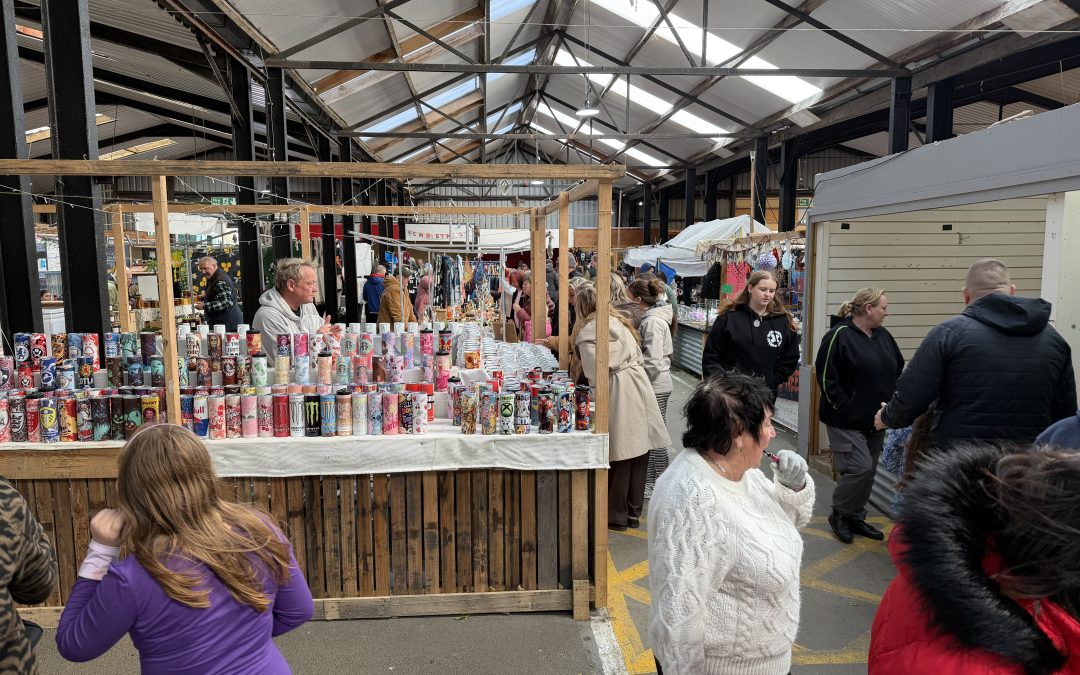
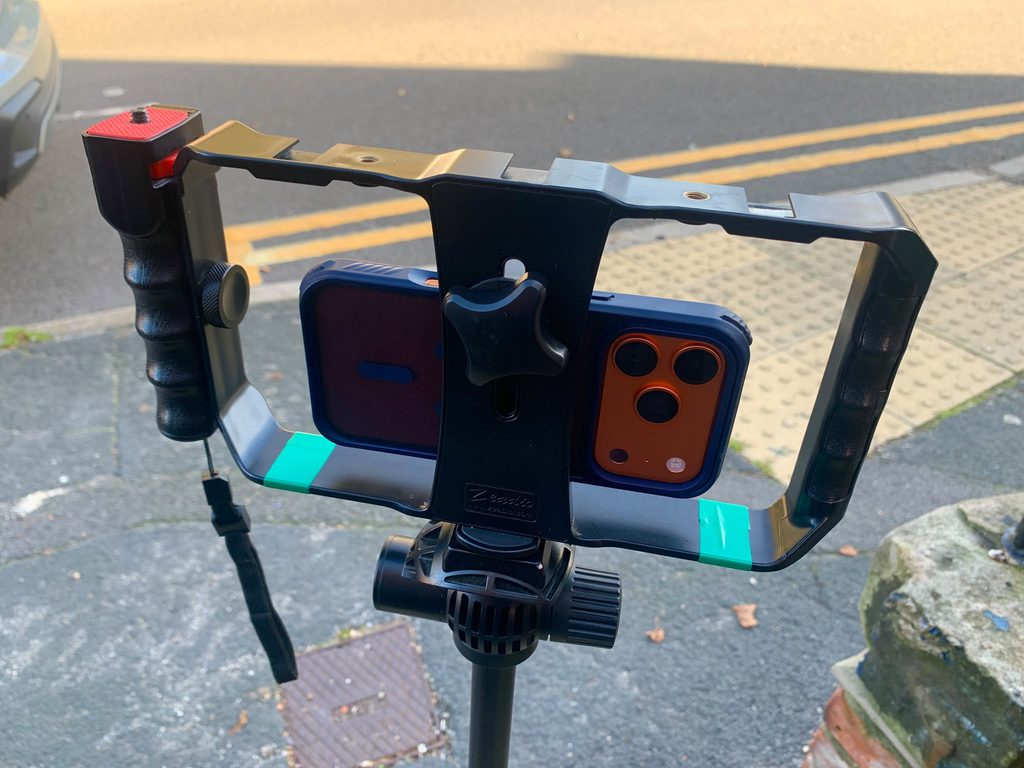
And if you see us taking pictures on a phone (below), that should give you no reason to doubt their quality. We use the latest professional iPhones, with sophisticated camera technology capable of producing professional-quality images.
Broadcast media such as ITV and the BBC have long used iPhones for its reporting too. A lot of what you see in television news reports will have been shot on an iPhone or equivalent.
In some situations, their speed, portability and advanced image processing can make them a better tool for the job than an SLR. The photographer’s eye, judgment and timing still make the difference – and those skills deserve to be valued whatever equipment we use.
All of which brings me to the people gleefully sharing tips about using AI to remove photographers’ watermarks, something that Hornsea photographer Carl Wiles is all too aware of.
He said: “This is happening a lot, and I have had my work shared on social media and had my watermark cropped off. I have sometimes given permission for people to use my photos, but I find it very frustrating.
“I had taken some photos of one of the first Hornsea biker events and one of my photos was used on someone’s Facebook page and totally butchered. It had been cropped and re-edited without any permission.
“This really upset me, but I didn’t follow it up as I just wanted a quiet life. I have considered putting a bigger watermark across the centre of my images.
“I don’t mind people using my images if they just ask, but to totally change an image is just not on.”
Sky News recently reported on photographer Victoria Welton’s concerns about parents using AI to avoid paying for school photos, and I’ve seen others locally posting proofs in Facebook groups and asking people to remove the marks for them, often bragging about how they’ve circumvented the necessary fee.
I’m struggling to see what there is to boast about. Someone has done the work, and someone else has found a way to avoid paying them. This is theft – let’s be plain about this. These same people would no doubt be quick to criticise shoplifters.
I know that school photographs can be expensive, particularly for families with several children, and lots of people are under financial pressure right now. There is a perfectly reasonable conversation to have with schools and suppliers about affordability, and parents can choose to take their own pictures. But none of that gives them permission to copy a professional’s work without paying.
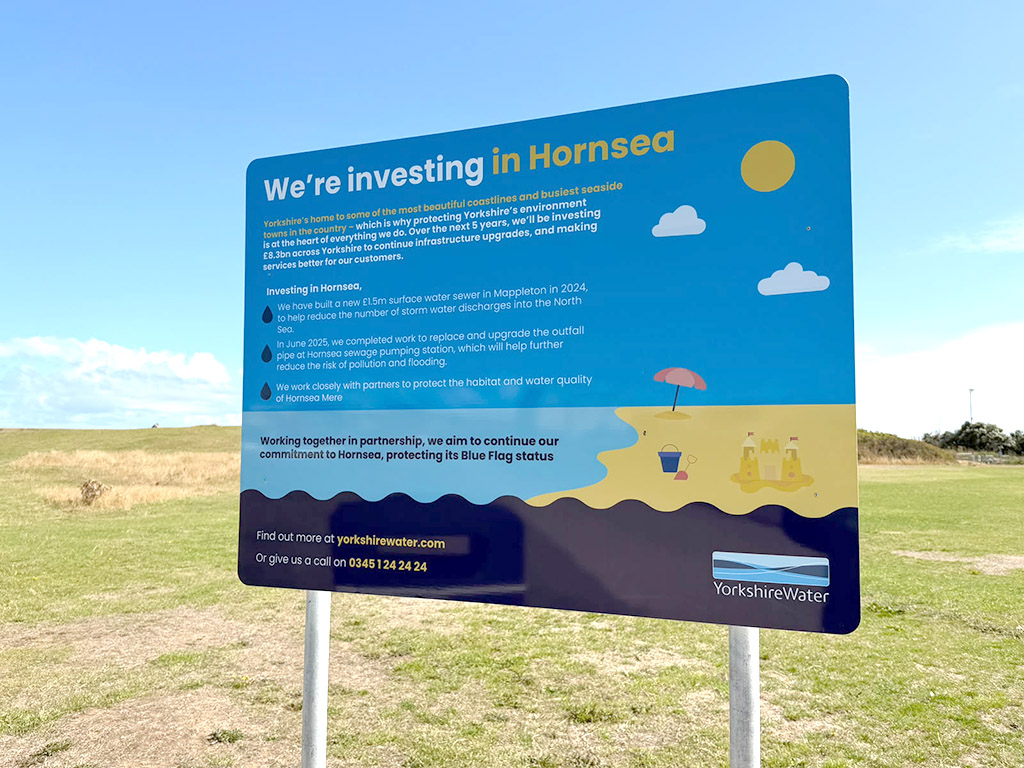
Removing a watermark (below) does not remove copyright. Reproducing or sharing a photographer’s protected work without the necessary permission can infringe it, even if the picture is of your own child.
Being in a photograph does not automatically make you its copyright owner.
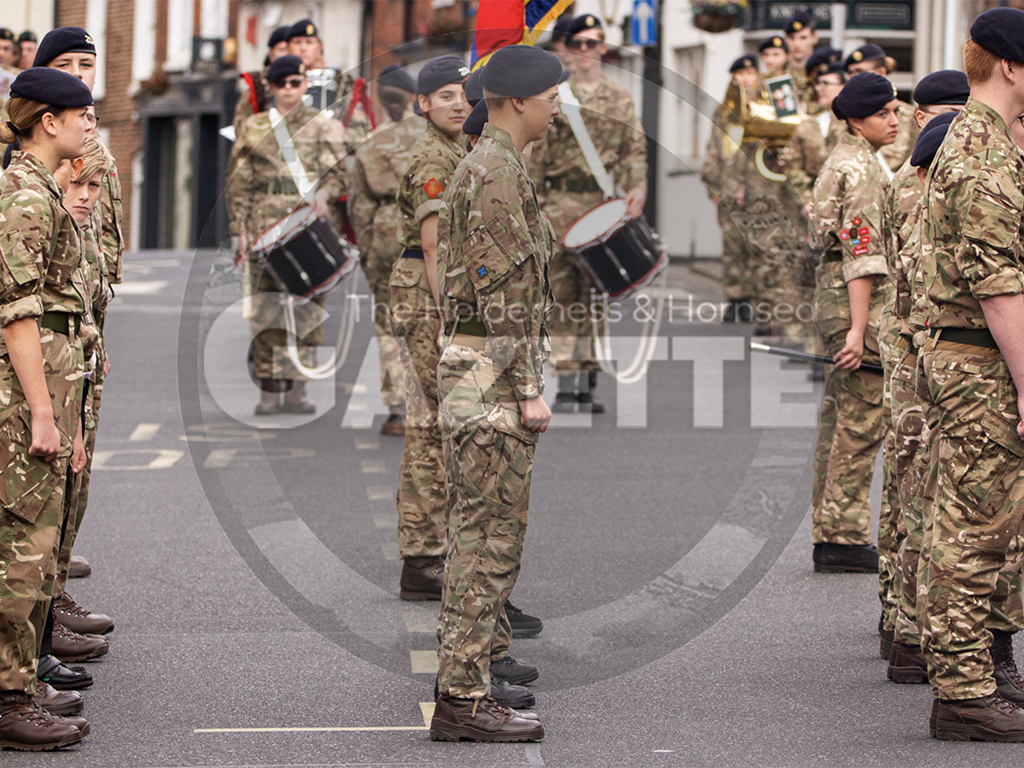
Our website asks readers to support the people behind the pictures. That means respecting the watermark and buying the appropriate licence. A personal download does not cover using the image in a business’s advertising. We take unauthorised use seriously and will pursue it.
There is another issue with uploading children’s photographs to AI services, though, and it deserves deeper consideration.
We regularly hear from parents who would prefer their children’s pictures not to appear in the Gazette or on social media. Those wishes are understandable, but I do feel sad about the memories that might go unrecorded. Many of us treasure newspaper cuttings of school achievements, sports teams and community occasions, brought out years later to show children and grandchildren.
But anyone concerned about where their child’s image might end up should apply that caution when uploading it to an AI service, too.
How uploads are stored, retained or reused depends on the provider, its terms and the settings chosen. Some services may use submitted material to improve or train their systems. It’s important to check those details, particularly when the photo belongs to somebody else and shows a child.
The National Crime Agency and Internet Watch Foundation have also warned that ordinary photographs can be manipulated into abusive images.
AI itself can, of course, be a useful tool. I freely admit it’s been a game-changer for me personally in the past few years. I use it daily to help with tasks such as text/spreadsheet column formatting, website coding, detailed website searching, organising information and checking spelling. With imagery, it can also help improve lighting or clarity in a photograph without changing what it depicts.
Generative AI (and we need to make this distinction) can create or alter text and images. For us, the essential principle is that readers must be able to trust what we publish. We do not invent news photographs or use technology to misrepresent anything that’s happened.
The broader question is why creative work so often seems to be treated as something people should provide for nothing.
As a musician, I have played gigs where there apparently wasn’t enough money for the artists, although there was money for staff, security and food. Somehow, the people providing the entertainment were expected to accept that their contribution could go unpaid.
Photographers face much the same attitude. The finished picture might take a second to look at, but producing it draws on years of practice. That skill has value, and here at the Gazette we see it as our duty to stand up for this, and by extension, other creatives.
Our galleries will give more of those pictures a chance to be seen and enjoyed. Buying one helps pay for the work that produced it and supports an independent local newspaper.
We believe the Gazette offers something valuable and distinctive in this region. Keeping that work going requires people who value it enough to support it. Once it is gone, it is gone.
If a picture matters enough to keep, please support the person who took it.