


by Gazette Reporter
Households are set to receive a £100 winter energy payment, motorists will benefit from an extended fuel duty freeze and thousands more small businesses will escape business rates under a Budget aimed at easing the cost of living.
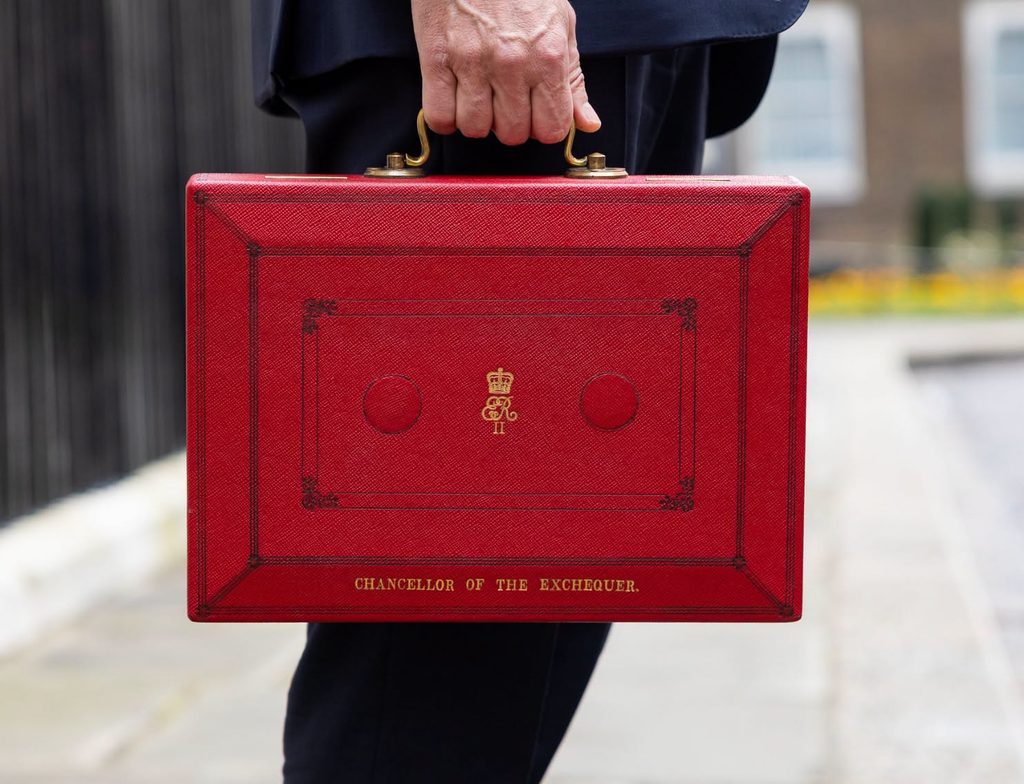
Chancellor John Healey MP also announced help for pensioners, carers, farmers and lower-paid workers, along with plans to make energy bills fairer and reduce the cost of running a business.
But despite the promised savings, household energy bills are still expected to rise because of the conflict in the Middle East, which has driven up oil and gas prices.
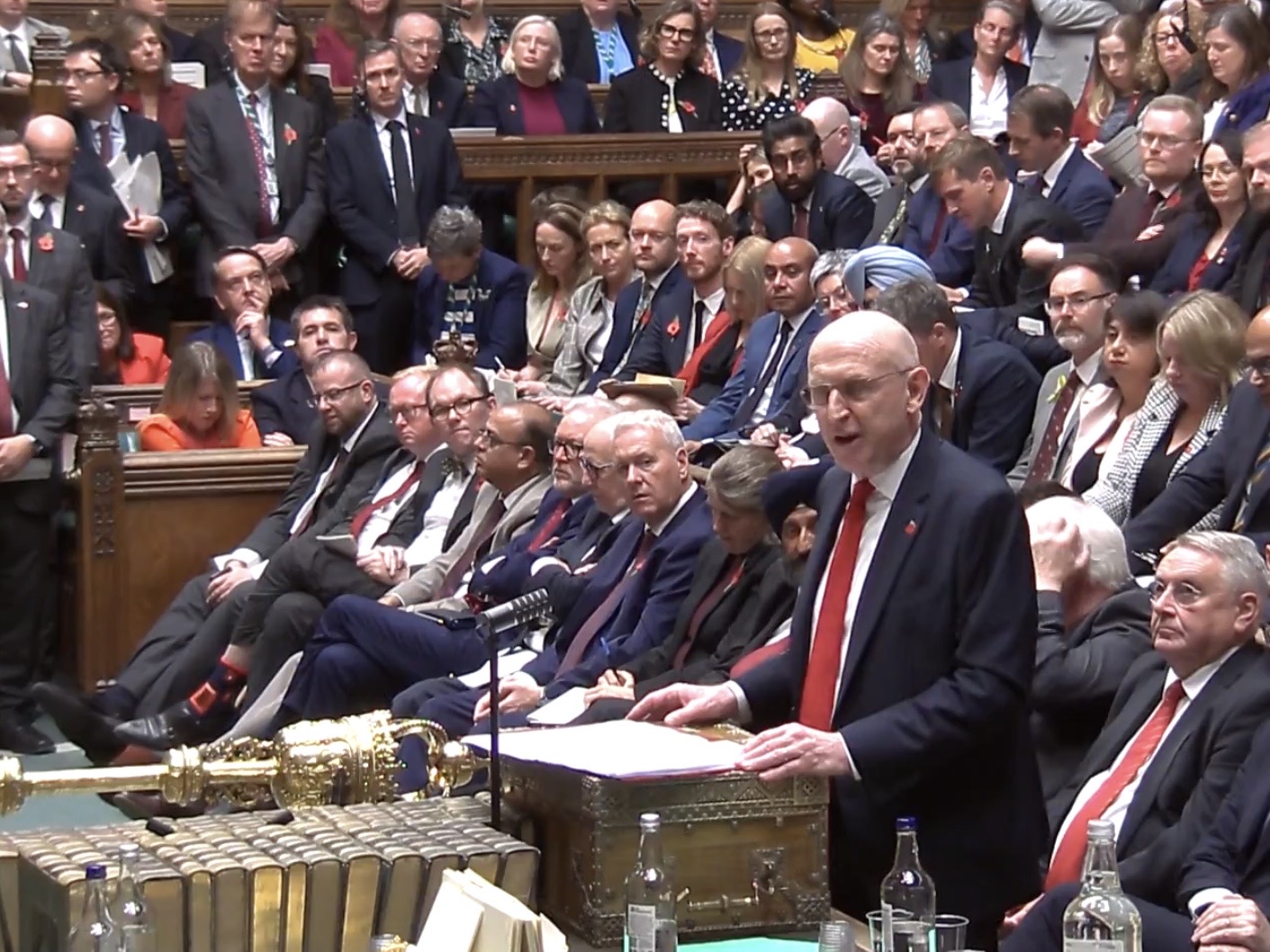
Delivering his first Budget on Wednesday, October 28 – and the first under Prime Minister Andy Burnham – Mr Healey said the country was facing serious economic pressures but insisted the government could provide some immediate relief without raising the main taxes paid by working people.
For residents of Withernsea, Hornsea, Hedon and the surrounding villages, the most significant announcements concern energy bills, fuel costs, wages and support for independent businesses.
The main savings and changes at a glance
– £100 winter energy payment: Around 20 million households in England in council tax bands A to D will receive a one-off £100 payment directly into their bank accounts this winter to help with rising energy bills.
– Electricity bills: The temporary removal of VAT from domestic electricity, introduced earlier this month, will be extended until July 2027. The Chancellor said this would keep around £50 off a typical annual energy bill compared with the price without the tax cut. It is not an additional £50 reduction on top of the existing saving.
– Gas standing charges: The government plans to remove the fixed daily charge on household gas bills in 2027 or as soon as possible afterwards. However, the costs will be transferred to the price of gas used, meaning not everyone will save. The Treasury estimates that around 60 per cent of households with gas accounts could save an average of £45 a year, while those using more gas could pay more.
– Fuel duty: The existing 5p-per-litre reduction will continue until July 2027, avoiding a planned increase. Reduced duty on red diesel will also be maintained, providing support for farmers and other eligible users.
– Mileage allowances: The tax-free allowance for people using their own cars for work will remain at 55p per mile for the first 10,000 business miles, with the rate above that increasing from 25p to 35p. The Treasury says someone driving 15,000 business miles could benefit from up to £300 in additional annual tax savings. Employers are not required to reimburse drivers at these rates.
– Minimum wage: The national minimum wage and national living wage will rise by 3.9 per cent, benefiting an estimated 2.3 million workers. The adult national living wage is expected to rise from £12.71 to around £13.20 an hour from April 2027.
– Pensioners: A new tax allowance will protect pensioners whose only taxable income is the full new state pension from having to pay income tax on it. Those receiving additional pensions or other taxable income may still have tax to pay.
– Carers: The government will end the rule under which unpaid carers can lose their entire carer’s allowance by earning just over the weekly limit. Instead, their allowance will be reduced gradually as earnings increase. However, this change is not expected until 2030-31.
– Business rates: The threshold for full small business rates relief for qualifying retail, hospitality and leisure premises will increase from £12,000 to £18,000 in rateable value. Around 70,000 more businesses nationally are expected to pay no business rates as a result.
– Pubs and music venues: A previously announced 20 per cent business rates cut for pubs, clubs and music venues will take effect next April. Other eligible retail, hospitality and leisure businesses will have their rates frozen in real terms for two years.
– Shopping bills: Import tariffs will be suspended on more than 100 products, including some foods, in an attempt to reduce supermarket prices. The government estimates its wider tariff reductions could save families up to £21 a year, depending on whether retailers pass on the savings.
– Savings: Plans to reduce the annual cash ISA allowance have been abandoned. Savers will continue to be able to put up to £20,000 a year into cash ISAs without paying tax on the interest.
– Small businesses and self-employment: The tax-free trading allowance will increase from £1,000 to £3,000, helping people earning money from smaller ventures without having to pay income tax on those earnings, subject to the usual rules.
– Parental leave: Eligible self-employed fathers, partners and adopters will qualify for a new paid parental allowance from April 2029, extending support to people previously excluded from statutory parental pay.
Why it matters to Holderness
For many people living in rural Holderness, a car is a necessity rather than a luxury, making the fuel duty freeze and increased mileage allowance particularly relevant.
Residents travelling to Hull, Beverley or further afield for work, along with care workers, tradespeople and other employees who cover large distances, could benefit from the measures.
Farmers will also welcome the continuation of reduced red diesel duty, while the removal of import tariffs on fertilisers could help some agricultural businesses manage their costs.
For independent shops, cafés, pubs and restaurants in towns such as Withernsea, Hornsea and Hedon, changes to business rates could make a significant difference.
The higher relief threshold means more qualifying premises with relatively modest rateable values will be exempt from paying business rates altogether, although the savings will depend on individual circumstances.
There is also potential help for the area’s tourism and hospitality businesses, which have faced increased costs for energy, staffing and supplies.
However, there could be another consideration for the tourism industry.
Under wider government plans to transfer more powers from Westminster, regional mayors are expected to be given the option of introducing an overnight visitor levy from 2028.
This could eventually affect accommodation providers in coastal resorts such as Hornsea and Withernsea, although no such charge has been announced locally and its introduction would be a decision for regional leaders.
The government also intends to allow regional authorities to retain more business rates revenue and receive a share of income tax receipts, potentially providing additional money for local transport, infrastructure and economic development.
Will household bills actually fall?
Despite the help announced in the Budget, residents should not assume that their overall energy bills will be lower this winter.
The energy regulator Ofgem’s typical annual price cap rose by four per cent in October to £1,723, despite the electricity VAT reduction already being in place.
Further increases are being forecast for January because of higher international gas and electricity prices.
The removal of gas standing charges will also not automatically save every household £108 a year. Although the separate fixed charge will disappear, the costs will instead be included in the price charged for each unit of gas.
That means households using relatively little gas are more likely to benefit, while those with greater heating needs could face higher charges.
The £100 winter payment will therefore provide the clearest immediate financial benefit for eligible households.
What John Healey said
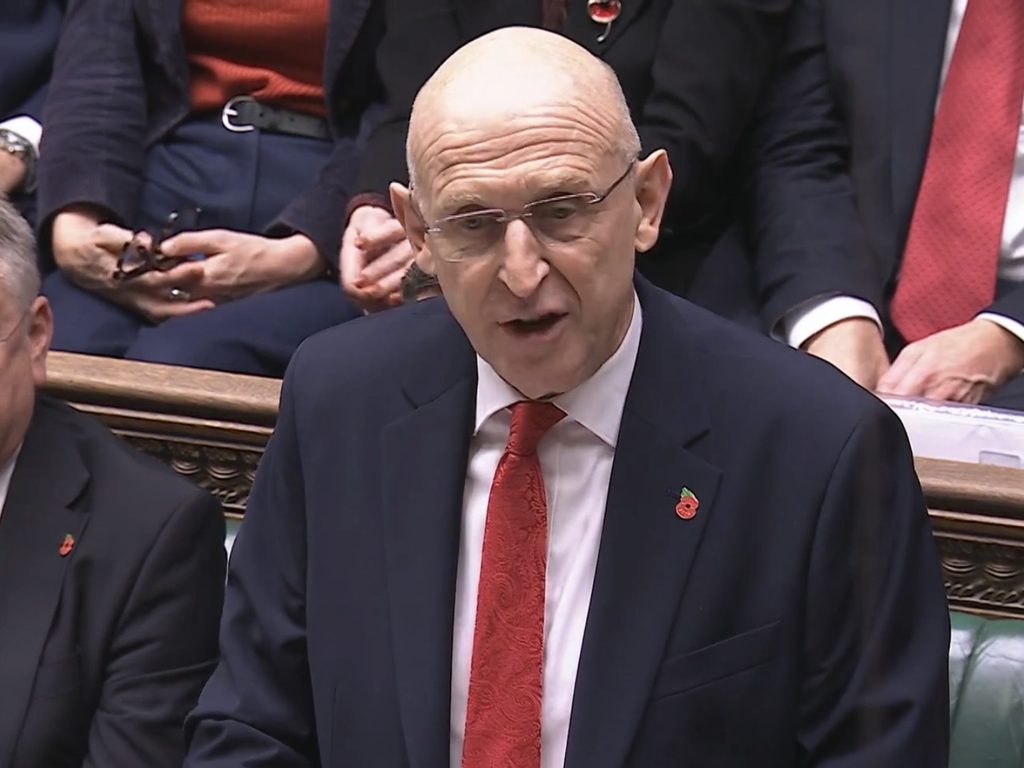
Mr Healey, 66, became Chancellor in July following Andy Burnham’s appointment as Prime Minister, replacing Rachel Reeves.
The Labour MP for Rawmarsh and Conisbrough previously served as defence secretary and held several ministerial posts under Tony Blair and Gordon Brown, including roles at the Treasury.
He described his first Budget as one designed to provide immediate financial help while tackling longer-term problems in the economy.
He said the conflict in the Middle East had pushed oil prices from around $70 to more than $100 a barrel, while gas prices had nearly tripled since February.
These increases, he said, were feeding through into petrol prices, energy bills, mortgages and business costs.
The Office for Budget Responsibility has also forecast that government debt interest payments will be £14 billion higher this year.
Mr Healey said he had chosen not to introduce widespread tax rises or make major cuts to public services.
Instead, the Budget raises additional revenue through measures including higher taxes on banks and gambling businesses.
Banks will face a temporary three-percentage-point increase in their tax surcharge, while taxes on income from property and savings will rise by a further two percentage points from April 2027.
He also announced additional funding for investment and business growth, including support for developing technology and British industry.
The Chancellor said the economy was showing resilience despite the difficult international situation, but acknowledged that many families were still struggling to make ends meet.
For Holderness, the Budget offers some welcome short-term help, particularly for households facing rising energy costs and businesses struggling with overheads.
However, with energy prices remaining uncertain and several of the larger reforms still years away, the full effect on family finances and the local economy has yet to be seen.
The full transcript can be found at hansard.parliament.uk/Commons.