



by John Prince
Hornsea is preparing for one of the most significant periods of growth in its recent history, with six major housing developments set to reshape the town.
More than 650 new homes are already under construction, or are in the planning stages.
Two of the developments are in Rolston Road near Hornsea Village. The four others are in Atwick Road, Hornsea Burton Road, Hull Road and in Cliff Road.
The scale of development could potentially bring more than 1,500 new residents to a community of just over 8,500 people, raising both hopes and concerns among those who already live there.
The list is extensive.
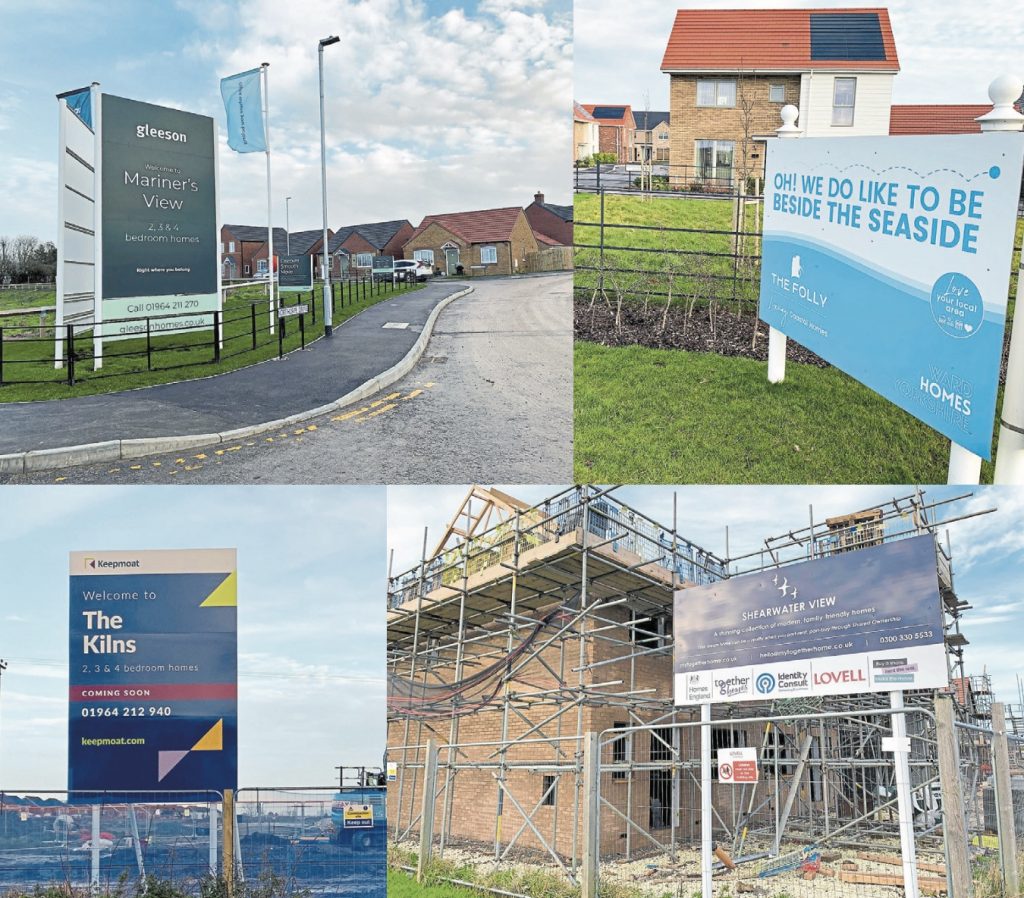
Keepmoat Homes is pressing ahead with its 158-home scheme in Rolston Road marketed as The Kilns, with 84 of those properties designated as affordable.
Foxglove Homes has submitted plans for a further 108 homes on an undeveloped plot opposite The Kilns called Rolston Road West. The application for that is still going through.
The same company is selling 65 properties at Mere View Meadows along Hull Road. That development is now complete.
Sixty houses by Ward Homes Yorkshire called The Folly are well under way in Atwick Road, with some residents already moved in.
In Cliff Road, Together Homes is building 66 affordable properties as part of the Shearwater View development. Some of these will be for rent.
Twenty-six of those are shared ownership and will have low-carbon features such as air-source heat pumps and EV charging points.
The biggest by far is the Mariner’s View development in Hornsea Burton Road by Gleeson Homes. Work has started on 195 homes on the site.
Most of the properties are priced in the region of £200,000 to £300,000.
For existing residents, the developments present both opportunities and a number of real-world challenges and concerns.
Families moving into the new estates will bring energy to schools, clubs and community life, while affordable housing offers a chance for younger people to move to or stay in the town.
More residents will help support shops, cafes, charities and other local businesses year-round, and smooth out the peak seasonal trade that Hornsea’s economy relies on.
With their proximity to the revitalised Hornsea Village, the developments could bring a renewed momentum there.
A steady stream of new shoppers might finally breathe life back into the once-thriving retail scene. They could give a much-needed adrenalin shot to what was once a go-to destination whose golden days, some say, are long behind it.
Yet the influx also raises big questions about whether the town’s infrastructure can keep up.
Eastgate Medical Group, which is Hornsea’s only GP surgery, is already stretched.
Longer waiting times could reduce availability for bookings, and put increased pressure on staff already managing high demand. It’s the same for dentists.
Both primary and secondary schools face a similar challenge, as a sharp rise in family households could lead to larger class sizes, tighter catchment boundaries, and a strain on the provision for students with special educational needs.
Local amenities and services such as parks, cemeteries, allotments, public toilets, and street furniture such as benches and bus stops will need extra maintenance by the town council.
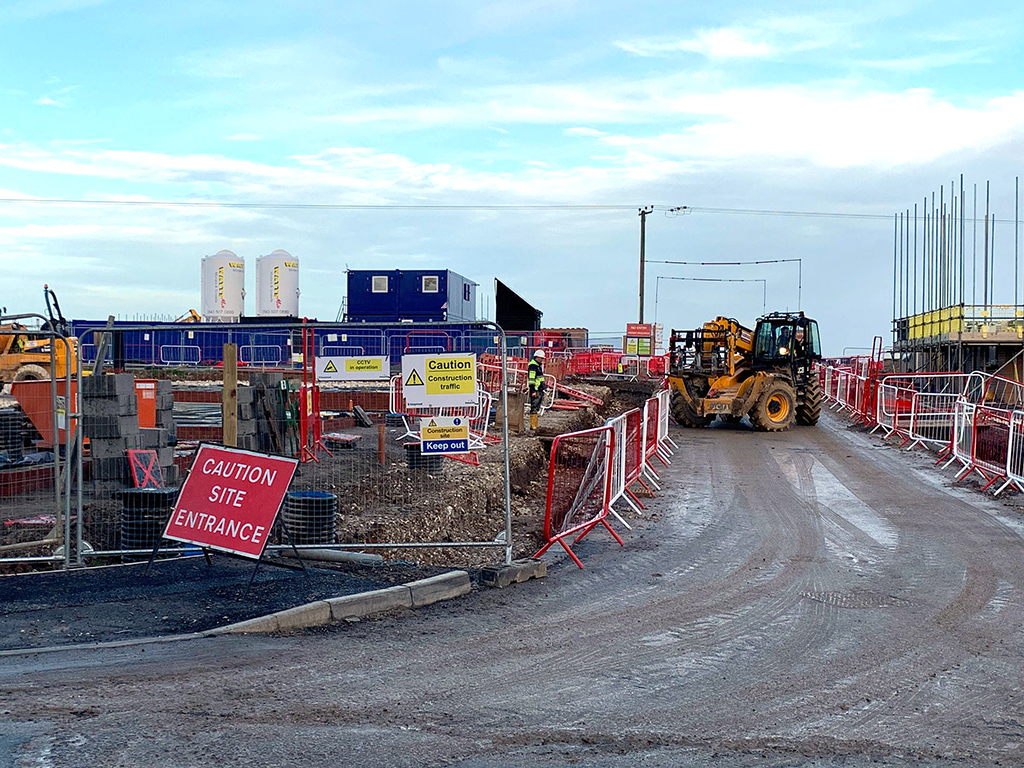
Roads around Hornsea, particularly Rolston Road and Hornsea Burton Road, will see much larger volumes of traffic, raising issues over congestion, safety, pollution and wear and tear on road surfaces.
Motorists and commuters have experienced significant traffic problems over the past few weeks with roadworks. More vehicles on the road could simply mean more delays.
Parking near the seafront and around town might become even more difficult than it already is, especially during summer months.
Recent flash flooding that left the road near Mariner’s View waterlogged served as a reminder of how heavy rainfall can overwhelm gullies and surface water systems.
Residents voiced their fears that more construction, especially on greenfield sites, could worsen the problem. It reduces areas of natural drainage and increases runoff, putting more pressure on underground drainage networks.
There have also been calls for a larger supermarket to be built in addition to Tesco and the smaller ones in Newbegin.
However, new housing does mean that more people will be paying council tax. That gives East Riding Council more money to spend on local services.
In theory, this could improve things, but only if the extra money is used wisely and quickly enough to match the rising demand.
A spokesman for East Riding Council said: “All developments in the East Riding proceed through the usual planning process. They are assessed against the policies and allocations within the council’s Local Plan and also national government policy guidance.
“Policies within the Local Plan require developers to ensure the developments include provision for play space, contributions to education where necessary, and include on-site affordable housing where viability allows.
“The sale and occupation of open market dwellings is not an issue that can be considered through the planning process.”
If there are more properties available, especially affordable ones, it can stop house prices from shooting up too fast. That’s good news for first-time buyers and renters.
But it means older homes might be harder to sell. Homeowners might need to upgrade properties with more modern features to attract buyers and stay competitive in the market.
Julie Kemp, branch manager of Quick and Clarke estate agents in Hornsea, said: “Going on the experience we’ve had so far, it hasn’t had an adverse effect on traditional town centre properties. Lots of people come here to retire so they want homes closer to town. The new developments are further out.
“It has, however, had an adverse effect on selling older modern properties, because people tend to go for a brand-new one.
“We’re still finding that the property market in Hornsea is very buoyant. It’s a highly desirable place to live. Our statistics show that 48 per cent of people moving into the new builds are local, and already own properties in the town or nearby.
“It’s suppressed prices and we haven’t seen a growth, but it hasn’t diminished the interest of people wanting to move to the town. It has a vibrant community and we’re different to other places.”
The building work itself may deter visitors in the short term, but improved amenities could make Hornsea more attractive in the long run.
The developments represent a double-edged sword and have divided opinion for some time. There are as many critics in Hornsea as there are supporters.
They could secure the town’s future and strengthen its economy, but without timely investment in schools, healthcare and roads, residents may feel the strain before the benefits arrive.
The next few years will see whether essential services can keep pace with the rapid growth.
Hornsea’s housing boom is both an opportunity and a test, which will change both the physical and social landscapes of the town.
But whether it enhances or erodes the quality of life for those already there depends on how well infrastructure and services grow alongside the bricks and mortar.