



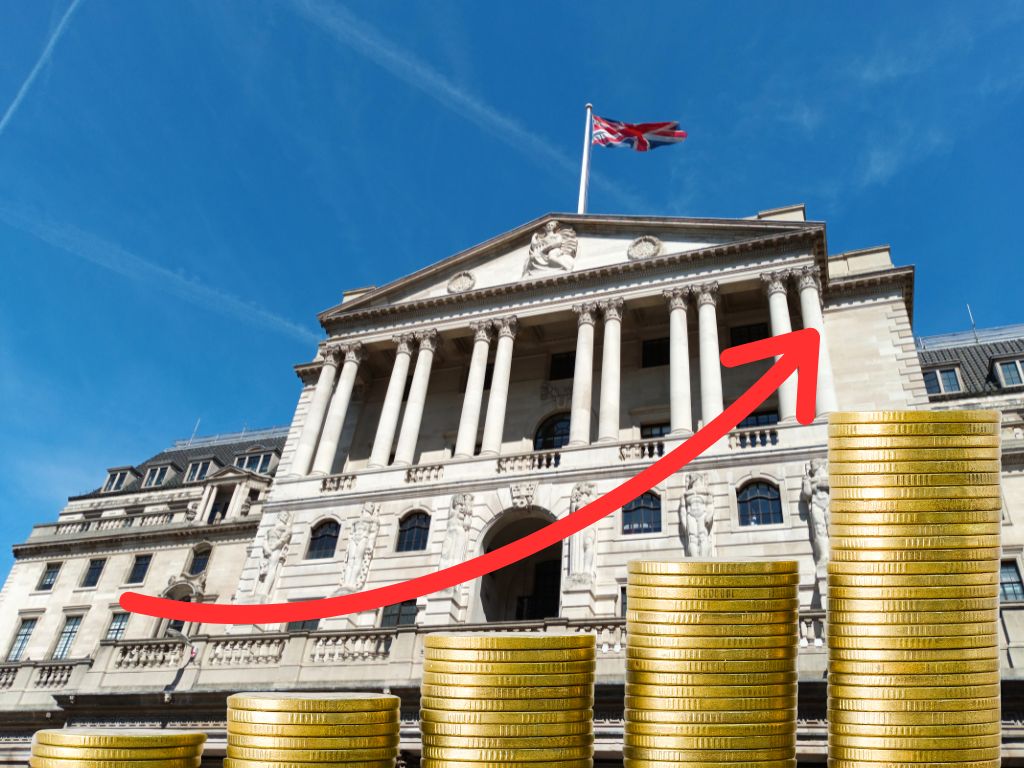
The Bank of England has raised its base rate from 3.75 per cent to 4 per cent, the first increase in more than three years, as the conflict in the Middle East pushes up energy prices.
Eight members of the Bank’s Monetary Policy Committee backed the widely expected quarter-point rise. The ninth, Catherine Mann, voted for a larger increase to 4.25 per cent.
Andrew Bailey, the Bank’s governor, cautioned against seeing the decision as the start of an “inevitable long sequence of hikes”. But he also warned that “unless the conflict in the Middle East is resolved, neither does it seem likely to be the last increase”.
The Bank said disruption to energy supplies had pushed up fuel prices and household energy bills. UK inflation rose from 3.1 per cent in August to 3.5 per cent in September, above the Bank’s 2 per cent target. It is forecast to reach about 5 per cent by mid-2027.
The Bank said there was still little evidence that higher energy costs were driving wider price or wage rises. But with energy prices staying high and the economy proving stronger than expected, it said raising rates should help limit how much of those extra costs businesses pass on to customers.
People with mortgages that track the base rate face higher monthly payments. Lenders can also raise their standard variable rates. Those coming to the end of a fixed-rate deal could face higher costs when they remortgage.
The Bank’s next interest rate decision is due on Thursday, December 17.
Bank of England photo by acediscovery – Own work, CC BY 4.0, commons.wikimedia.org/w/index.php?curid=121132955